
A garage door that opens with no trouble but refuses to shut all the way is one of the most common headaches homeowners deal with. The door may start to come down, then stop. It may roll halfway and bounce back up. Or it may simply ignore the remote completely on the way down. If you have ever stood in your driveway in Rockford asking why wont my garage door close, you are far from alone. This is one of the top calls garage door repair techs get all year long, and the good news is that most causes are easy to spot.
Below are the nine most common reasons a garage door wont close, written in plain language so anyone can follow along. Each one includes what to look for, a tip to prevent it, and a general idea of how it gets solved. This guide will not turn anyone into a repair technician, but it will help Rockford homeowners understand what is going on and decide on the smartest next step. Whether the fix turns out to be a quick adjustment or a full garage door installation down the road, knowing the cause is the first step toward a door that works the way it should.
Blocked or Dirty Garage Door Safety Sensors
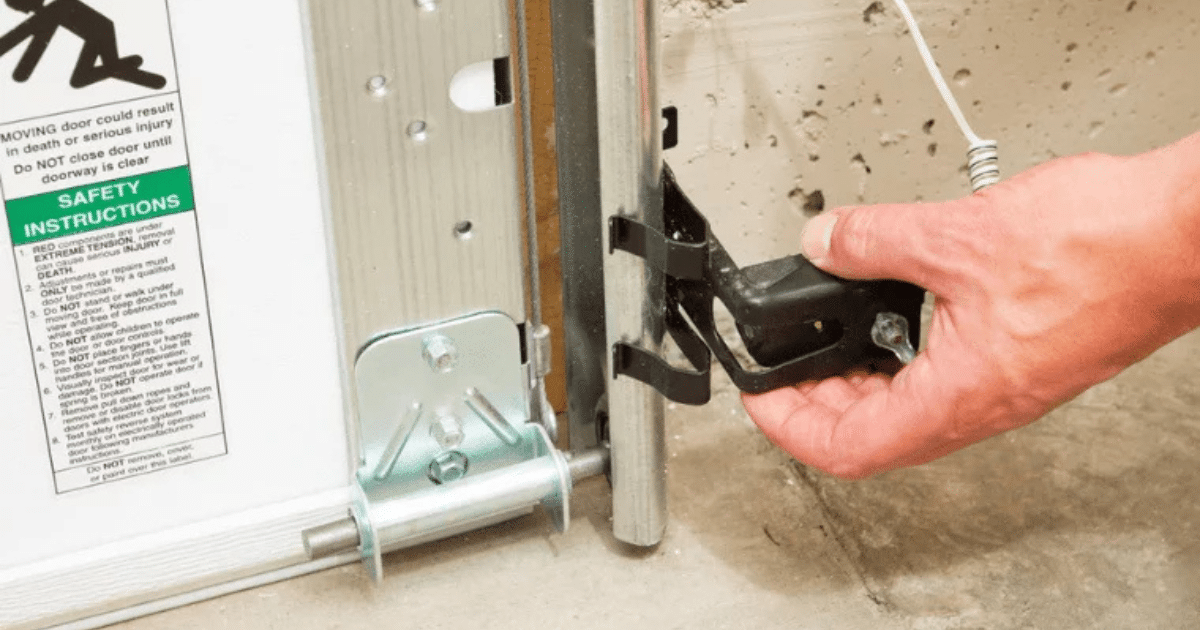
Every modern garage door has two small boxes near the bottom of the tracks, usually about six inches off the floor. These are the garage door safety sensors, and they shoot an invisible beam across the opening. If anything breaks that beam, the door is designed to stop or go back up. This is a safety feature required by law to keep kids, pets, and cars from getting trapped.
When a garage door won’t close completely, dirty or blocked sensors are the number one suspect. Dust, cobwebs, leaves, a stray garbage can, or even a bike leaning nearby can interrupt the beam.
What to check: Look for a small light on each sensor. A steady light usually means things are fine, while a blinking light often signals a problem.
Prevention tip: Wipe the sensor lenses gently with a soft, dry cloth every few months and keep the area around them clear.
For a closer look at the warning signs to watch for, check out the guide “Why Garage Door Won’t Close: Signs and Causes.“
Garage Door Sensor Alignment Is Off
Even when the sensors are clean, they only work when they point directly at each other. Garage door sensor alignment is one of the most overlooked reasons a garage door wont close. A bump from a basketball, a lawn tool, or even slow shifting over time can knock one sensor slightly out of line. Once the beam misses its target, the opener thinks something is in the way.
This is also why a garage door reverses when closing for many homeowners. The opener starts the door down, loses the beam, and treats it like an emergency stop.
What to check: See if one sensor light is blinking while the other is steady. That mismatch usually points straight to a garage door sensor alignment issue.
Prevention tip: Mount the sensors firmly and avoid storing anything that could nudge them. Proper garage door sensor alignment takes only minutes for a technician to correct if it keeps slipping.
Want to dig deeper into this exact issue? The article “Why Won’t My Garage Door Close All the Way?” breaks it down step by step.
Something Is Physically Blocking the Door’s Path
Sometimes the simplest answer is the right one. A garage door won’t close all the way when there is a real object in the path. A frozen chunk of snow, a buildup of ice along the bottom seal, a rolled-up garden hose, or even a small toy can stop the door cold. Rockford winters make this especially common, since slush and ice love to gather right where the door meets the ground.
What to check: Look along the full length of the door’s path and the bottom weather seal for anything stuck or frozen.
Prevention tip: Sweep the threshold during winter and clear any snow or ice before it has a chance to harden under the door.
Since cold weather plays such a big role here, the guide “Why Won’t My Garage Door Close in Cold Weather?” is worth a read before the next freeze hits.
The Travel Limit Settings Are Wrong
Garage door openers have settings that tell the motor exactly how far to move the door up and down. These are called travel limits. If the “down” limit is set too far, the opener thinks the door has hit the floor before it actually has, so it stops short or reverses. This is a classic case where the Garage Door Won’t Close All the Way for no obvious reason.
This setting can drift after a power outage, a new opener install, or general wear. It is a frequent finding during garage door opener troubleshooting.
What to check: Notice if the door stops at the same spot every single time and then reverses. That consistency often points to a limit setting rather than a sensor.
Prevention tip: After any power outage in Rockford, test the door a few times to make sure it still travels the full distance. Adjusting travel limits is a standard part of garage door opener troubleshooting and is best handled carefully.
A Damaged or Worn Track Is Causing the Garage Door to Reverse When Closing
The door rides up and down on metal tracks fastened to the wall and ceiling. If a track is bent, loose, or filled with debris, the door can bind partway down. When that happens, the opener senses resistance and sends the door back up to protect itself. A garage door reverses when closing very often because of a track problem hiding in plain sight.
What to check: Look for dents, gaps, or rust spots in the tracks. Listen for grinding or scraping sounds as the door moves.
Prevention tip: Keep the tracks clean and free of dirt. Do not try to bend or hammer a track back into shape, since this can make the door dangerous. A garage door reverses when closing far less often when the tracks are kept straight and clean by a pro.
The Remote, Wall Button, or Wiring Has a Fault
A door that opens but won’t close can sometimes be traced to the controls themselves. A sticky wall button, a weak remote battery, or a wiring short can send mixed signals to the opener. In some cases a stuck button keeps the opener “thinking” all the time, which blocks normal closing.
What to check: Try closing the door using both the wall button and the remote. If one works and the other does not, the problem is likely in that control, not the door.
Prevention tip: Replace remote batteries once a year and avoid pressing buttons with wet or dirty hands. Control faults show up regularly during garage door opener troubleshooting, so testing each control is a smart early step.
Frozen or Stiff Rollers From Rockford Winters
Rockford gets real winters, and cold weather is hard on garage doors. The rollers and hinges that help the door glide can stiffen, and old grease can turn thick and sticky in freezing temperatures. When the parts do not move freely, the opener meets resistance and stops, leaving the garage door won’t close completely problem on your hands.
What to check: Watch the door as it tries to close. Jerky movement or loud groaning often means the moving parts are cold and stiff.
Prevention tip: Have the rollers and hinges lubricated before winter sets in with a product made for garage doors. This small step prevents many cases where a garage door won’t close completely once the temperature drops.
The Logic Board or Opener Motor Is Failing
Inside every garage door opener is a small circuit board, sometimes called the logic board, that acts as the brain. Power surges, age, and Rockford’s summer storms can damage it. When the board starts to fail, the opener may behave in strange ways, including opening fine but refusing to close. A worn-out motor can do the same.
What to check: Notice if the opener acts random, ignores commands, or makes clicking sounds without moving. These signs often mean the issue is electronic.
Prevention tip: Plug the opener into a surge protector to guard against storm damage. Logic board problems are one of the trickier finds in garage door opener troubleshooting and almost always need a professional.
Worn Springs or Cables Are Throwing Off Balance
The springs and cables carry most of the door’s weight, and they are under heavy tension. When a spring weakens or a cable frays, the door becomes unbalanced. The opener then struggles to lower the door safely and may stop or reverse. This is one of the more serious reasons a garage door wont close, and it should never be ignored.
What to check: Look for a gap in a spring above the door or a cable that looks loose or frayed. Do not touch these parts.
Safety note: Springs and cables are dangerous and can cause serious injury. This is the one situation where the answer to why wont my garage door close should always be a phone call to a trained technician.
Quick Checklist: What to Check First Before Calling a Pro
Before reaching for the phone, Rockford homeowners can run through this short list. These steps are safe, simple, and solve a surprising number of cases where the garage door wont close.
- Clear the area around both garage door safety sensors and wipe the lenses.
- Check the sensor lights for a steady glow versus a blinking light.
- Look at the floor and tracks for ice, snow, or objects in the way.
- Test both the wall button and the remote separately.
- Watch where the door stops and whether it reverses at the same point.
If the door still refuses to cooperate after these checks, the problem is likely deeper and worth a professional look.
Simple Tips to Avoid This Problem in the Future
A little upkeep goes a long way, especially with Rockford’s mix of humid summers and icy winters. These habits keep many homeowners from ever facing a stuck door.
- Keep the garage door safety sensors clean and clear all year.
- Confirm garage door sensor alignment any time the door starts acting odd.
- Lubricate rollers, hinges, and springs before winter.
- Sweep snow and ice away from the bottom of the door.
- Schedule a yearly tune-up so small issues get caught early.
Regular care is the best defense against the Garage Door Won’t Close All the Way problem returning season after season.
When to Call a Rockford Garage Door Technician
Some fixes are safe for a homeowner, and some are not. Cleaning sensors, clearing the path, and replacing remote batteries are fine for anyone to handle. But anything involving springs, cables, the logic board, or bent tracks should go to a trained professional. These parts carry serious tension or electrical risk, and a wrong move can lead to injury or a bigger repair bill.
When the answer to why wont my garage door close points to balance, electronics, or structural damage, calling a local Rockford expert is the smart and safe choice. A good technician will run full garage door opener troubleshooting, confirm garage door sensor alignment, and check the springs and tracks in one visit.
Average Cost Expectations
Repair costs vary based on the part and the work involved. On average, a sensor cleaning or alignment visit sits at the lower end, since it is quick and simple. Roller and hinge service falls in the mid range. Spring, cable, and logic board repairs tend to land at the higher end because of the parts and skill required. A yearly maintenance visit usually costs less than a single emergency repair, which is why many Rockford homeowners choose to stay ahead of problems.
Getting Your Rockford Garage Door Back on Track
A garage door that opens but won’t close is annoying, but it is rarely a mystery. In most cases the cause comes down to dirty or misaligned sensors, something in the door’s path, a control issue, or weather-related stiffness common in Rockford. Many of these problems trace back to the garage door opener itself, which is why a proper garage door opener repair often solves the issue for good. Working through the simple checks above will solve many cases on the spot. For anything involving springs, cables, or electronics, a trusted local technician is the safest answer. Stay on top of basic maintenance, and a stuck door will be the last thing on your mind.
Trusted Garage Door Help in Rockford
When a stuck door calls for an expert, Rockford Door Company is ready to help Rockford homeowners get back to normal. The team brings hands-on experience, honest advice, and fast, friendly service to every job, whether it is a quick sensor alignment or a more serious spring repair. Quality work and customer peace of mind come first on every visit. Contact us today or give us a call, and let the local pros take care of your garage door the right way.