
A garage door that refuses to shut is more than a small headache. In Rockford, IL, an open garage in the middle of January lets freezing air, snow, and curious critters straight into the home. It also leaves tools, bikes, and vehicles exposed overnight. So when the garage door wont close the way it should, getting to the cause quickly matters. In some cases the fix is simple, while in others it calls for professional garage door repair to set things right.
The good news is that most closing problems come from a short list of common causes. Many of them are easy to spot. Below are the top signs and reasons a door acts up, plus simple tips on what to check and how to keep it from happening again. Whether the issue is a worn part or a door that is near the end of its life and ready for a fresh garage door installation, knowing the signs helps you make the right call.
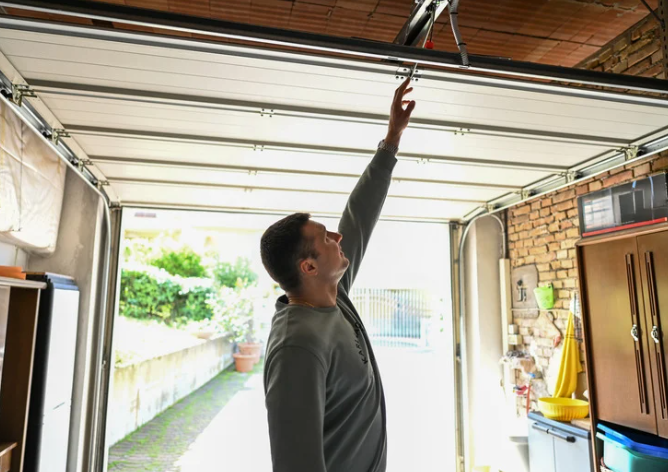
Quick Answer: Why Won’t My Garage Door Close?
If you are asking why wont my garage door close, the most common reason is a problem with the garage door safety sensors near the floor. When those sensors are dirty, blocked, or knocked out of line, the door stops or reverses for safety. Other frequent causes include broken springs, off-track rollers, frozen tracks, and incorrect opener settings. A quick look at the sensor lights and the bottom of the door solves many of these issues before a repair call is ever needed.
For a deeper look at this exact issue, check out the related guide, “Why Won’t My Garage Door Close All the Way?“
9 Signs and Causes Behind a Garage Door That Won’t Close
1. Misaligned Safety Sensors
Every modern opener uses two small garage door safety sensors mounted a few inches above the floor on each side of the opening. They send an invisible beam across the doorway. If that beam breaks, the door will not shut. This is the number one reason a Garage Door Won’t Close All the Way and instead pops back up.
A simple bump from a trash can, a snow shovel, or a bicycle can knock a sensor sideways. When that happens, proper garage door sensor alignment is lost and the door senses a problem that is not really there.
What to check: Look at the small lights on each sensor. A steady light usually means the beam is connected. A blinking or dark light points to a garage door sensor alignment issue. Gently adjusting a sensor so both lights glow steady often fixes it. The average cost for a professional realignment sits on the lower end of garage door service calls, so this is rarely an expensive fix.
2. Dirty or Blocked Sensor Lenses
Even perfectly aimed garage door safety sensors will fail if the little glass eyes are coated in dust, cobwebs, or road salt residue. Rockford garages collect plenty of that during winter and early spring. When the lens is dirty, the beam weakens, and the door reads it as an obstruction.
This is a big reason a garage door won’t close completely. The door starts down, the dirty sensor panics, and the door reverses.
What to check: Wipe each lens with a soft, dry cloth. Make sure nothing is leaning in front of the sensors, including bins, boxes, or a stray broom. Clearing the path is part of basic garage door opener troubleshooting that anyone can do safely.
3. Broken or Worn Springs
Springs do the heavy lifting on a garage door. Torsion springs (mounted above the door) and extension springs (along the tracks) carry almost all the weight. When a spring weakens or snaps, the door becomes unbalanced. The opener may struggle, the door may slam, or it may refuse to move correctly.
A broken spring often shows up as a door that closes part way, then stops, or one that feels far heavier than normal. This is a leading cause behind a Garage Door Won’t Close All the Way situation.
What to check: Look for a visible gap in the torsion spring above the door. Listen for a loud bang, which is the classic sound of a spring breaking. Do not try to repair or adjust springs personally. They hold extreme tension and cause serious injuries every year. Spring replacement lands in the mid-range for average cost and should always go to a trained Rockford technician.
4. Off-Track or Damaged Rollers
Rollers guide the door along the metal tracks. Over time they can wear out, crack, or pop loose, especially on older doors that have not been maintained. A door with a bad roller may bind, tilt, or jam halfway down.
When rollers slip out of the track, the door will not seat evenly and may stop short. This makes it look like the garage door won’t close completely when the real trouble is a mechanical jam.
What to check: Look for a door that appears crooked or that shakes hard while moving. Check the tracks for bent spots or rollers sitting outside the rail. Light lubrication of the rollers helps, but a door that is off-track needs a pro to reset it safely.
5. Frozen or Obstructed Tracks (A Common Rockford Problem)
Rockford winters are no joke. When temperatures drop, water can freeze along the bottom of the door or inside the tracks. The door then sticks to the concrete or jams in the rail. The opener senses resistance and stops, so the garage door reverses when closing.
Ice, packed snow, leaves, and small stones in the track all create the same effect. The door tries to move, hits the blockage, and pulls back up.
What to check: Clear snow and ice from the bottom of the door and the track edges. Sweep out gravel and debris. A thin coat of garage-rated lubricant on the tracks before winter helps prevent sticking. This kind of seasonal care is one of the most useful habits for any Winnebago County homeowner.
6. Incorrect Opener Limit Settings
Every opener has limit settings that tell it how far to travel up and down. If those settings drift, the opener may think the door has hit the floor before it actually has. The result is a door that stops early or one where the garage door reverses when closing because it believes it touched an object.
Limit settings can shift after a power outage, a battery change, or normal wear. This is a classic case that good garage door opener troubleshooting can solve.
What to check: Most openers have adjustment screws or buttons marked for up and down travel. The owner’s manual explains the exact steps for that model. Small adjustments often fix the issue, but if the setting will not hold, the unit may need a closer look.
7. Remote, Wall Button, or Wiring Problems
Sometimes the door itself is fine, but the signal telling it to close is not getting through. A dead remote battery, a stuck wall button, or a loose wire can all interrupt the command. Frayed sensor wiring is especially common in older Rockford garages where wires run along the wall and can be nicked or chewed by pests.
When wiring to the garage door safety sensors is damaged, the opener acts as if the beam is broken, and the door will not close.
What to check: Try both the remote and the wall button. Replace the remote battery. Look for loose, pinched, or stapled-through wires near the sensors and the opener. Reconnecting a loose wire is simple, but damaged wiring is best handled by a technician during garage door opener troubleshooting.
8. Worn or Frayed Cables
Lift cables work alongside the springs to raise and lower the door evenly. When a cable frays, stretches, or slips off its drum, the door can hang at an angle or stop part way down. A door that closes unevenly often points to a cable problem.
Like springs, cables are under heavy tension. A snapped cable can cause a door to drop suddenly, which is why this is not a do-it-yourself repair.
What to check: Look for frayed strands or a cable that has come loose from the bottom bracket or the drum. If a cable looks worn, keep the door closed and call a pro. Cable repair sits in the low-to-mid range for average cost and is far cheaper than fixing a door that has fallen.
9. Faulty Opener Logic Board
The logic board is the brain of the opener. Power surges, age, and Rockford’s summer storms can damage it. When the board fails, the opener may behave randomly: lights flash, the motor runs but the door does not move, or the door reverses for no clear reason.
A failing board is one of the trickier reasons a garage door wont close, because everything else can look fine.
What to check: Notice patterns. If the opener acts strangely right after a storm or a power flicker, the board may be the culprit. Board diagnosis and replacement is a job for a qualified technician, since it involves the opener’s internal electronics.
Want to dig into this scenario further? The article “Why Does My Garage Door Open but Won’t Close?” breaks it down step by step.
How to Avoid a Garage Door That Won’t Close
A little upkeep prevents most closing problems. These habits keep a door running smoothly through every Rockford season:
- Keep the area around the garage door safety sensors clear and wipe the lenses every month.
- Sweep the tracks and remove snow, ice, and debris, especially in winter.
- Apply garage-rated lubricant to rollers, hinges, and springs two or three times a year.
- Watch and listen for changes in how the door moves or sounds.
- Test the door balance by disconnecting the opener and lifting the door halfway by hand. A healthy door stays put.
- Schedule a yearly tune-up with a trusted local pro to catch worn parts early.
Consistent care is the easiest answer to the question why wont my garage door close, because it stops small issues from turning into breakdowns.
For tips made just for the cold months, take a look at the guide “Why Won’t My Garage Door Close in Cold Weather?“
What to Check First (Quick Homeowner Checklist)
Before reaching for the phone, run through this fast list:
- Are both sensor lights steady? If not, work on garage door sensor alignment.
- Are the sensor lenses clean and the path clear?
- Is there ice, snow, or debris along the bottom or in the tracks?
- Does the door look crooked or shake while moving?
- Is there a visible gap in the spring or a frayed cable?
- Did a recent storm or power outage come before the problem?
This checklist covers the basics of garage door opener troubleshooting and solves a surprising number of cases on its own.
When to Call a Rockford Garage Door Pro
Some fixes are safe for homeowners: cleaning sensors, clearing debris, replacing a remote battery, and gentle garage door sensor alignment. Other repairs are not. Springs, cables, off-track doors, and logic boards carry real injury risk and call for trained hands and proper tools.
If the door still will not shut after the basic checks, or if a spring or cable looks damaged, reaching out to a local Rockford technician is the smart move. A pro can pinpoint why the garage door wont close, handle the dangerous parts safely, and get the door sealed up before the next cold front rolls in.
Keep Your Garage Door Closing Smoothly Year-Round
A garage door that will not close is usually trying to tell you something simple. In most homes, the trouble traces back to the garage door safety sensors, a frozen track, a tired spring, or a setting that has drifted. Knowing the signs helps you act fast, stay safe, and keep the home protected. Often the heart of the problem is the garage door opener, and a timely garage door opener repair gets everything back on track.
When the easy checks do not do the trick, leaning on an experienced Rockford garage door team is the safest path forward. A working door is worth it, especially when an Illinois winter is knocking at the door.
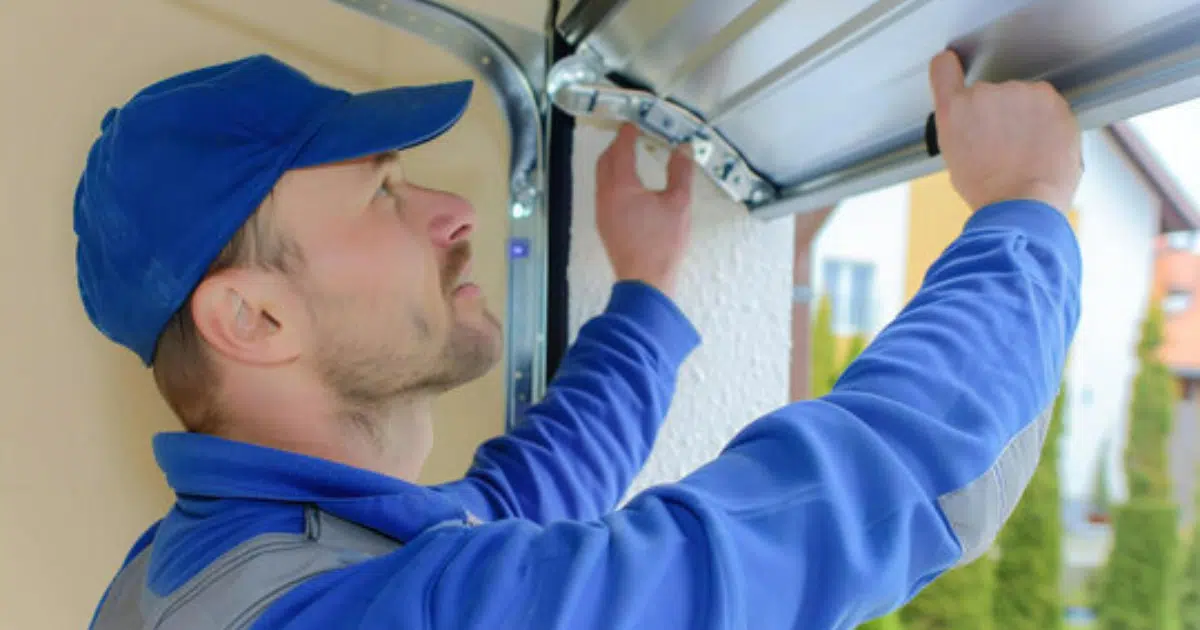
Your Trusted Local Garage Door Team
Rockford Door Company has helped local homeowners keep their doors safe, smooth, and reliable through every Illinois season. The team brings hands-on experience, honest advice, and fast, friendly service to every job, big or small. Whether the door is stuck, reversing, or just not closing right, the right help is only a phone call away. Contact us today or give us a call to get your garage door working like new again.