
Winter in Rockford, IL does not play around. When the temperature drops below freezing and lake-effect snow rolls through Winnebago County, a lot of strange things start happening around the house. One of the most common headaches homeowners run into during these frigid months is a garage door that suddenly stops working right. If the question “why wont my garage door close” has been running through your mind on a cold January morning, know that this is one of the most frequent garage door repair calls technicians get all winter long.
The good news is that most cold-weather garage door issues come from a handful of predictable causes. Some are simple enough to spot in a couple of minutes. Others point to a part that needs a trained hand, whether that means a quick garage door repair or a full garage door installation when an older door has finally reached the end of its life. This guide breaks down the nine most common reasons a garage door wont close when the mercury drops, what to look for, and how to keep it from happening again. Everything here comes from years of hands-on experience servicing doors through harsh Midwest winters.
Quick Answer
A garage door wont close in cold weather most often because of ice or frozen grease around the tracks and bottom seal, misaligned garage door safety sensors, or contracted metal parts that create extra friction. Broken springs and stressed opener settings also play a role. Checking the sensors, clearing ice, and looking for stiff or sticking parts solves many cases, though spring and opener repairs should be left to a professional.
For a closer look at the warning signs and what triggers them, check out “Why Garage Door Won’t Close: Signs and Causes.“
9 Reasons Your Garage Door Won’t Close in Cold Weather
1. Frozen Ground or Ice Under the Door
This is the number one culprit during a Rockford cold snap. When snow melts a little during the day and refreezes at night, a thin sheet of ice can form right under the bottom of the door. That ice acts like glue. When the door tries to lower, it hits the frozen spot, the opener senses resistance, and the door reverses to protect itself.
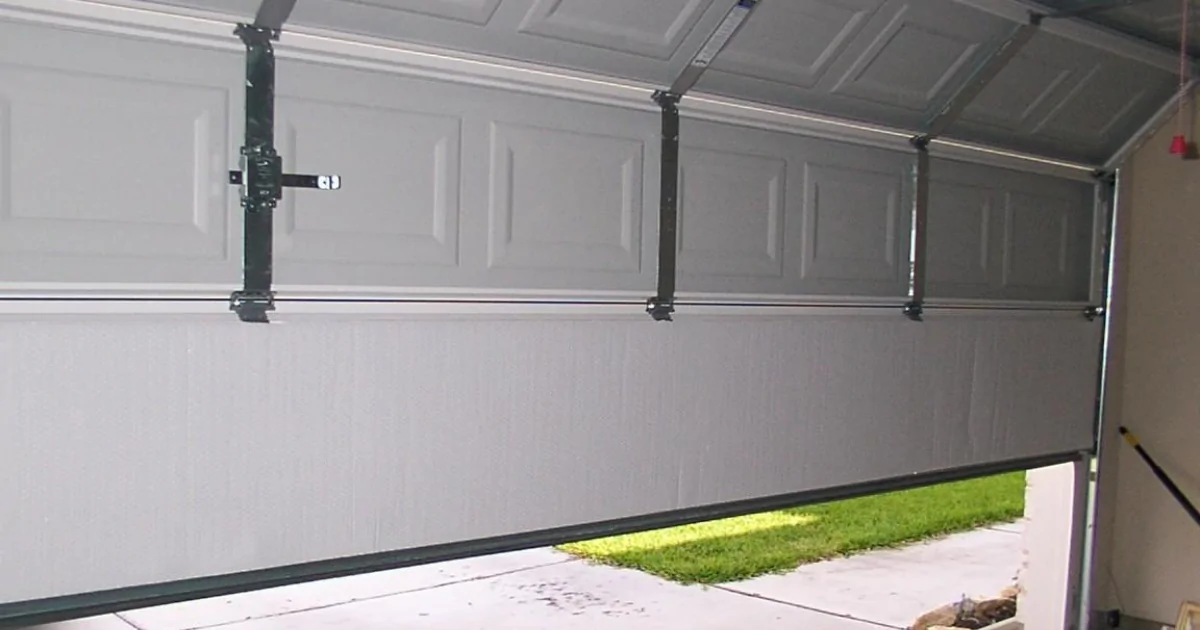
If the garage door reverses when closing right at the very bottom, ice is the first thing to suspect. A quick look at the threshold usually tells the story. Clearing the ice and keeping the area dry often gets things moving again. This is also one of the most common reasons a Garage Door Won’t Close All the Way during winter, since the door gets within an inch of the floor before bouncing back up.
2. Hardened or Thickened Grease in the Tracks
Grease and lubricant behave differently when it gets cold. The lubricant that keeps rollers and hinges moving smoothly in summer can turn thick and sticky in freezing temperatures. When that happens, the door drags instead of gliding, and the opener reads that drag as an obstacle.
A door that moves slowly, jerks, or stalls partway down is often fighting hardened grease. This is a frequent reason a garage door won’t close completely, because the added friction builds up the farther the door travels. Using a lubricant rated for cold weather makes a real difference in a climate like Rockford’s.
3. Misaligned or Dirty Safety Sensors
Every modern garage door has two small garage door safety sensors mounted near the bottom of the tracks on each side. These photo-eye sensors send an invisible beam across the opening. If anything breaks that beam, the door will not close. This is a federal safety feature designed to stop the door from lowering on a child, pet, or car.
Cold weather messes with these sensors in a few ways. Condensation can fog the lenses. Frost can cloud them. Snow or a stray leaf can drift in front of one. And the cold can cause the metal brackets to shift just enough to throw off the garage door sensor alignment. When the two eyes are not pointed directly at each other, the beam breaks and the door refuses to close.
A blinking light on the opener or on one of the sensors is the classic sign of a problem here. Garage door sensor alignment is one of the easiest things to check, and proper sensor care prevents a surprising number of winter service calls. Keep those lenses clean and make sure both garage door safety sensors show a steady light, not a flashing one.
4. Contracted Metal Causing Track Friction
Metal shrinks when it gets cold. That is basic physics, and it shows up in garage doors every winter. As the tracks, rollers, and hinges contract in the freezing Rockford air, the small gaps that let everything move freely can tighten up. The result is a door that binds, sticks, or simply will not slide the way it should.
This kind of friction is sneaky because the door may work fine in the afternoon and act up in the early morning when temperatures are lowest. If the garage door wont close on the coldest mornings but behaves later in the day, contracting metal is a strong suspect. Regular maintenance and the right lubricant keep these moving parts from seizing up.
5. Broken or Weakened Torsion Springs
Garage door springs carry the entire weight of the door. They are wound under heavy tension, and cold weather is hard on them. Metal becomes more brittle in freezing temperatures, and a spring that was already worn out is far more likely to snap on a frigid morning. Many spring breaks happen in the dead of winter for exactly this reason.
When a spring weakens or breaks, the door becomes too heavy for the opener to handle smoothly. A loud bang from the garage, a door that feels extremely heavy by hand, or a visible gap in the spring coil all point to a spring problem. This is not a do-it-yourself fix. Springs hold enough stored energy to cause serious injury, so this repair belongs to a trained technician. The average cost of spring replacement is reasonable compared to the risk of attempting it alone.
6. Worn Weather Seal Letting in Cold and Moisture
The rubber weather seal along the bottom of the door does two jobs. It keeps cold air and water out, and it gives the door a clean stopping point on the floor. Over the years, that seal gets brittle, cracks, and tears, especially after dozens of Rockford freeze-and-thaw cycles.
A damaged seal lets moisture in, which then freezes and creates the ice problem mentioned earlier. A seal that has frozen stiff or stuck to the concrete can also stop the door from sealing properly, leaving you with a garage door won’t close completely situation. Replacing a worn seal is an affordable, straightforward fix that pays off in both comfort and function.
7. Opener Settings Knocked Out of Range
Garage door openers have two key adjustments: travel limits and force settings. The travel limit tells the door how far to go. The force setting tells the opener how much resistance is normal before it should stop and reverse. Cold weather adds friction and resistance, and if the force setting is too sensitive, the opener may decide there is an obstacle when there really is not.
This is a common reason a garage door reverses when closing even though nothing is in the way. Basic garage door opener troubleshooting often starts here. Many openers allow small adjustments to these settings, but they must be set carefully. Setting the force too high removes the safety cushion the door relies on, so this part of garage door opener troubleshooting is best handled by someone who knows the proper limits.
8. Battery and Power Issues in the Cold
Cold weather drains batteries fast. If the garage door opener has a backup battery, or if the remote and keypad run on batteries, freezing temperatures can leave them too weak to send a strong signal. A door that responds slowly or only works from the wall button often has a battery issue somewhere in the system.
Power surges and flickers from winter storms can also scramble an opener’s memory or trip its settings. Replacing weak batteries and resetting the opener are simple first steps in garage door opener troubleshooting. If the door still acts up after fresh batteries, the issue lies somewhere else on this list.
9. Warped Panels or Bent Tracks From Ice Buildup
Heavy snow and ice put real stress on a garage door. Ice that builds up along the tracks can force them out of shape. A door that gets stuck while frozen and then forced open can warp a panel or bend a track. Once a track is bent, the rollers no longer ride smoothly, and the door binds.
A door that looks crooked, leans to one side, or makes a grinding sound as it moves likely has a track or panel problem. This is another reason a Garage Door Won’t Close All the Way, since the door cannot follow its intended path. Bent tracks and warped panels need professional repair to bring everything back into proper alignment.
To dig deeper into this specific issue, take a look at “Why Won’t My Garage Door Close All the Way?“
What to Check First (Quick Homeowner Checklist)
Before calling anyone, a quick walkthrough solves a lot of cold-weather problems. Here is a simple checklist to run through:
- Look at the floor. Clear any ice or snow under the door and along the bottom seal.
- Check the sensors. Wipe the lenses clean and confirm both garage door safety sensors show a steady light. Look closely at the garage door sensor alignment so both eyes face each other.
- Watch where it stops. A door that reverses at the bottom usually means ice or a sensor issue. A door that stalls partway often means friction or spring trouble.
- Listen. Grinding, banging, or straining sounds point to springs or tracks.
- Test the remote and keypad. Swap in fresh batteries if the response is slow.
- Try the wall button. If the door works from the wall but not the remote, the issue is likely batteries or signal, not the door itself.
This short routine answers the “why wont my garage door close” question for many Rockford homeowners in just a few minutes.
If the door opens just fine but refuses to go back down, the article “Why Does My Garage Door Open but Won’t Close?” breaks that situation down step by step.
How to Prevent Cold-Weather Garage Door Problems in Rockford
A little fall maintenance saves a lot of winter frustration. Rockford winters are long, so getting ahead of the cold matters. These steps keep a garage door working through the worst the season throws at it:
- Lubricate before the cold hits. Use a silicone or lithium-based lubricant made for low temperatures on rollers, hinges, and springs. This stops the hardened-grease problem before it starts.
- Keep the threshold clear. Sweep snow and chip away ice regularly so it never has a chance to freeze the door to the floor.
- Clean the sensors monthly. A quick wipe keeps frost and grime from breaking the beam. Checking garage door sensor alignment now and then prevents surprise failures.
- Inspect the weather seal. Replace it at the first sign of cracking so moisture stays out.
- Schedule a fall tune-up. A yearly inspection catches worn springs, loose hardware, and alignment issues before winter exposes them. The average cost of a tune-up is small compared to an emergency winter repair.
Prevention is always cheaper and less stressful than a breakdown on the coldest day of the year. Homeowners who keep up with simple maintenance rarely find themselves asking why wont my garage door close in the middle of a snowstorm.
When to Call a Rockford Garage Door Pro
Some fixes are safe for a homeowner. Clearing ice, cleaning sensors, swapping batteries, and adjusting the garage door sensor alignment are all reasonable to handle alone. But certain problems call for a trained technician, both for safety and to avoid making things worse.
Call a professional when:
- A spring is broken or the door feels extremely heavy by hand.
- The tracks are bent or a panel is warped.
- The garage door reverses when closing even after the sensors and floor are clear.
- The door won’t close completely after running through the full checklist.
- Garage door opener troubleshooting does not solve the problem and the door still misbehaves.
Garage door springs and high-tension parts cause serious injuries every year when people try to fix them without the right tools and training. A local Rockford technician knows how the area’s freeze-and-thaw cycles affect doors and can get the system back in shape quickly. The average cost of a professional repair is far easier to absorb than a hospital bill or a damaged door.
Keeping Your Garage Door Closing Smoothly Through Rockford Winters
A garage door that acts up in the cold is frustrating, but it is rarely a mystery. Ice, thickened grease, foggy or shifted garage door safety sensors, contracting metal, and tired springs cause the vast majority of winter problems in Rockford homes. Running through the simple checklist above answers the “why wont my garage door close” question more often than not, and a bit of fall maintenance keeps most issues from ever showing up. A struggling garage door opener is often part of the picture too, and a simple garage door opener repair can clear up a problem that looks far more serious than it really is.
When a garage door wont close and the easy checks come up empty, that is the signal to bring in a trusted local pro. Whether the fix turns out to be a worn spring, a misaligned sensor, or a tired garage door opener that needs adjusting, staying ahead of the cold with regular care is the surest way to keep the door rolling smoothly all winter long.
Your Trusted Local Garage Door Experts
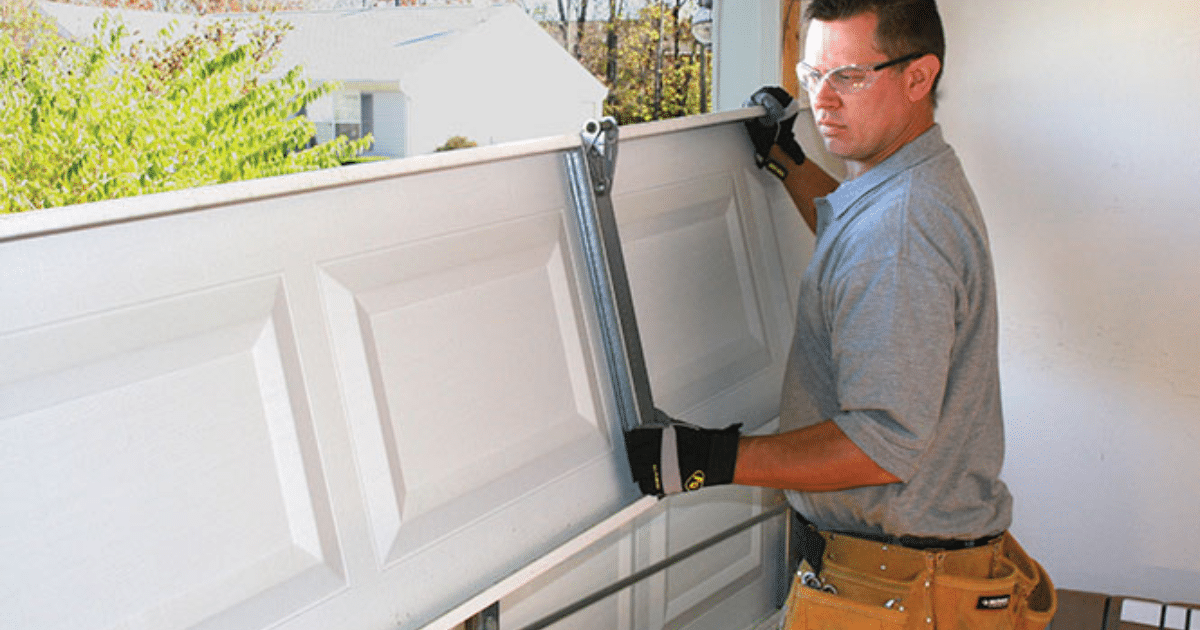
Rockford Door Company has helped homeowners across Rockford and the surrounding area keep their doors running smoothly through every kind of winter weather. With a team that knows exactly how the region’s freeze-and-thaw cycles affect garage doors, we deliver honest advice, dependable repairs, and the kind of friendly service neighbors recommend to one another. Whether it is a frozen door, a worn spring, or a sensor that just will not cooperate, the right help is only a phone call away. Contact us today or give us a call to get your garage door working the way it should.