
Few things are more frustrating than hitting the button, watching the door head down, and then seeing it stop or roll back up. If the question “why wont my garage door close” keeps running through your head, you are not alone. This is one of the most common garage door repair calls techs get across Rockford, IL, especially when the seasons change.
The good news is that most of the time, the reason a garage door wont close is something small and easy to spot. The bad news is that some causes need a trained hand and the right tools, whether that means a quick fix, a full garage door repair, or even a new garage door installation if the door has reached the end of its life. This guide breaks down the 9 most common reasons a Garage Door Won’t Close All the Way, what you can safely check, and when it is smarter to call a professional. Everything here is written in plain language so any homeowner can follow along.
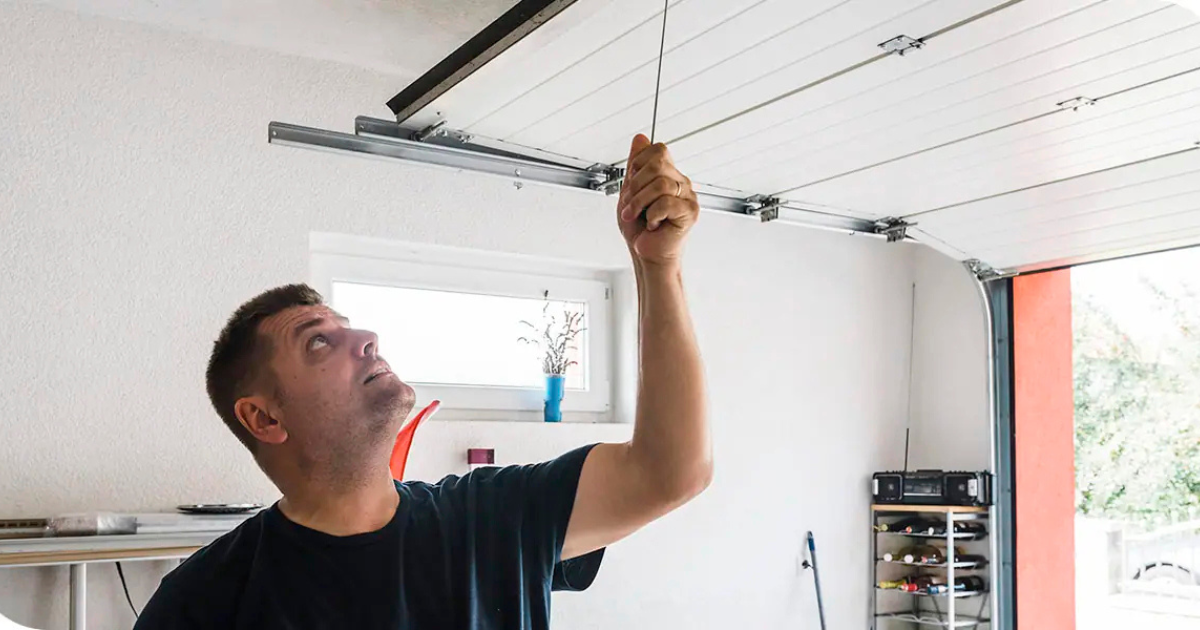
Quick Safety Note Before Checking Your Door
A garage door is the heaviest moving thing in most homes. Some parts, like the springs and cables, hold a huge amount of tension. Those parts can cause serious injury if handled the wrong way. This guide will point out what is safe to check yourself and what should be left to a trained tech. When in doubt, keep your hands off and make a call. No repair is worth a trip to the ER.
For a closer look at the warning signs to watch for, check out the related guide “Why Garage Door Won’t Close: Signs and Causes.“
9 Reasons Your Garage Door Won’t Close All the Way
1. Misaligned Safety Sensors
Near the bottom of your door, on each track, sit two small eyes that face each other. These are your garage door safety sensors, and they shoot an invisible beam across the opening. If anything breaks that beam, the door is built to stop or reverse. It is a safety feature designed to keep kids, pets, and cars from getting trapped.
When the door won’t close completely or rolls back up right before it touches the floor, bad garage door sensor alignment is the number one suspect. A bump from a broom, a stray basketball, or even a hard door slam can knock one sensor out of line. Look at the small lights on each sensor. If one is blinking or off while the other glows steady, the two are no longer pointed at each other. Gently nudging the off sensor until both lights stay solid often solves the problem. If the lights will not cooperate, the wiring or the sensor itself may be failing, which is a job for a pro.
2. Dirty or Blocked Sensor Lenses
Sometimes the garage door safety sensors are lined up just fine, but dust, cobwebs, road grime, or a spider’s web is sitting on the lens. To the sensor, a smudge looks just like an obstacle, so the door refuses to seal shut. This is a very common reason a garage door reverses when closing in dusty or busy garages.
Wipe each lens with a soft, dry cloth. Avoid sprays or harsh cleaners that can scratch the plastic. Also check that no rake, bag of salt, or recycling bin is parked in front of an eye. This five minute check is the easiest fix on this whole list, and it is the first step in any good garage door opener troubleshooting routine.
3. Something Is in the Door’s Path
Before blaming the machine, look at the floor. A small rock, a frozen clump of snow, a flattened soda can, or a buildup of leaves along the bottom seal can stop the door from sealing flush. The door touches the object, feels resistance, and backs off to protect itself.
Sweep the threshold clean and run the door again. In Rockford garages, packed dirt and gravel that gets tracked in over winter is a frequent culprit. Keeping the bottom track clear is a quick habit that prevents a lot of headaches.
4. The Opener’s Limit Settings Are Off
Your opener has a setting called the “down limit” that tells the motor exactly how far to travel before stopping. If that setting drifts, the opener may think the door has hit the floor when it is still a few inches up, or it may push too hard and bounce back. This is a classic cause when a Garage Door Won’t Close All the Way for no clear reason.
Most openers have small adjustment screws or buttons that control these limits, and the owner’s manual explains the steps. This falls under basic garage door opener troubleshooting, but it takes patience and a careful eye. If the door slams hard or never quite reaches the ground after a few tries, stop adjusting and bring in a tech. Forcing it can wear out parts fast.
5. Bent, Dirty, or Damaged Tracks
The door rolls along metal tracks bolted to the wall and ceiling. If a track gets bent, dented, or packed with grime, the door can bind partway down. A door that gets stuck at the same spot every single time is often pointing right at a damaged track.
Look down the length of each track for kinks, gaps, or rust. Loose mounting bolts are also worth a glance. Light cleaning is fine, but bending a track back into shape is risky and can throw the whole door out of balance. Track repair is best handled by someone who works on doors every day.
6. Worn or Broken Rollers
Rollers are the little wheels that ride inside the tracks. Over the years they wear out, crack, or lose their bearings. When a roller seizes up, the door can drag, jerk, or stall before it finds the floor. This is another reason a garage door wont close the way it used to.
You might hear grinding or squealing as the door moves. Worn nylon or steel rollers usually need replacing, and the average cost for a full set of rollers is modest compared to the smoother, quieter operation you get back. Roller swaps near the bottom of the door are doable for handy folks, but the top rollers sit close to the spring system, so leave those to a pro.
7. Spring Problems
Above the door you will find either a long torsion spring or a pair of side extension springs. These springs carry almost all the weight of the door. When one is weak, stretched, or snapped, the opener has to fight gravity, and the door may stop short, sag, or close crooked.
A broken spring is one of the more serious reasons a garage door won’t close completely. Warning signs include a loud bang from the garage, a door that suddenly feels very heavy, or a visible gap in the coil. This is a hands off situation. Springs hold enough tension to break bones, so spring replacement should always go to a trained technician. The average cost is reasonable for the safety it buys, and a good tech often replaces springs in pairs so the door stays balanced.
8. Cold Weather and Ice (A Rockford Reality)
Rockford winters do not play around. When temperatures drop, a few weather related issues pop up. Ice can freeze the bottom seal right to the concrete, so the door lifts back up the instant it touches the frozen spot. Grease in the tracks can thicken in the cold and slow everything down. Metal parts even shrink slightly, which can throw off sensitive settings.
If your door behaves fine in summer but fights you every January, weather is likely the cause. Clearing ice and snow from the threshold helps a lot. Some homeowners notice the door reverses when closing only on the coldest mornings, which is a strong hint that frost on the safety sensors or ice under the seal is to blame. Keeping the area swept and using a cold rated lubricant made for garage doors goes a long way in Illinois.
9. Remote, Wiring, or Opener Trouble
Sometimes the door itself is healthy, but the brain or the wiring has a glitch. A failing logic board, a frayed sensor wire, a dying remote battery, or a loose connection can all send mixed signals to the motor. The result can be a door that stops randomly, reverses without reason, or refuses the last few inches.
Start simple. Swap the remote battery and try the wall button instead. If the wall button works but the remote does not, the issue is in the handheld. If neither works right, the wiring or the control board may be the problem, and that is deeper garage door opener troubleshooting that usually calls for a service visit. Electrical work inside the opener is not a DIY zone for most people.
Want to dig deeper into this exact issue? The related guide “Why Does My Garage Door Open but Won’t Close?” breaks it down step by step.
How to Avoid This Problem in the First Place
A little routine care keeps these headaches away. Once or twice a year, give the door a quick once over.
- Keep the sensors clean and aimed. A monthly wipe of the lenses and a glance at the sensor lights prevents most garage door sensor alignment issues before they start.
- Lubricate moving parts. A garage door specific lubricant on the rollers, hinges, and springs keeps everything gliding, especially before Rockford’s cold months hit.
- Sweep the bottom track. Clearing debris stops the door from bouncing off junk it cannot see.
- Tighten loose hardware. Vibration slowly loosens bolts and brackets over time. A quick check with a wrench keeps things solid.
- Listen and watch. New noises, jerky movement, or a door that reverses when closing are early warning signs. Catching them early is cheaper than waiting for a full breakdown.
- Schedule a yearly tune up. A pro inspection catches worn springs, cables, and rollers before they leave you stuck with a door that wont close.
These small habits answer the “why wont my garage door close” question before it ever has to be asked.
Since Rockford winters are tough on doors, the related guide “Why Won’t My Garage Door Close in Cold Weather?” is worth a read before the snow flies.
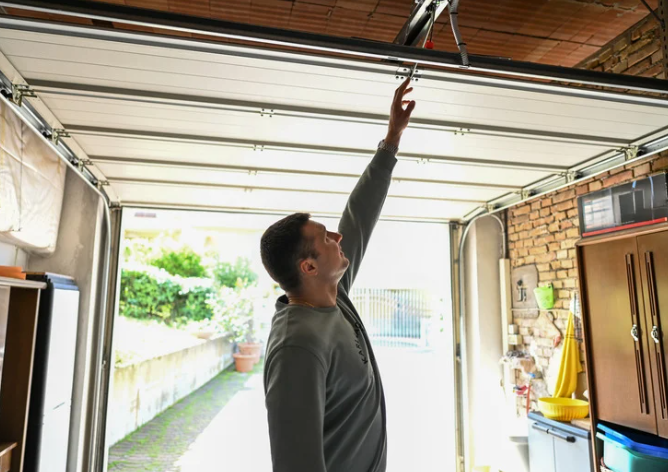
When to Call a Garage Door Pro in Rockford, IL
Cleaning a sensor, sweeping a track, or swapping a remote battery is perfectly safe for any homeowner. But some problems cross into territory where the risk outweighs the savings. Reach out to a local Rockford technician when:
- A spring is broken, stretched, or making loud bangs.
- A cable is frayed, loose, or off its drum.
- A track is bent or pulling away from the wall.
- The door is badly out of balance or extremely heavy by hand.
- Garage door safety sensors keep failing even after cleaning and realignment.
- The garage door opener’s control board seems dead or the wiring is damaged, which often points to garage door opener repair.
A trusted local pro knows how Rockford weather wears on garage doors and can get your door sealing tight again quickly. Whether the issue calls for a simple adjustment, garage door opener repair, or a full replacement, the average cost of a service call is small next to the danger of a heavy door, a high tension spring, or a security gap left by a door that won’t close completely. When the door fights back, a professional is the safe and smart choice.
Your Trusted Garage Door Team in Rockford, IL
When a garage door wont close and the simple checks are not enough, the friendly team at Rockford Door Company is ready to help. With years of hands on experience serving homeowners across Rockford and the surrounding area, the crew knows exactly how local weather and daily wear affect every part of your door. From misaligned safety sensors and worn rollers to broken springs and tricky openers, the goal is honest work, fast service, and a door that closes tight and safe every single time. Contact us today or give us a call to get your garage door working like new again.