
Garage doors often show early warning signs before performance starts to decline, but many homeowners do not notice them right away. A garage door maintenance checklist can help you catch those changes before they turn into more disruptive problems.
Small shifts in movement, sound, or response may point to wear even when the door still seems to work normally. Paying attention to these warning signs early can help prevent more serious repair needs over time.
When Did You Last Go Through Your Garage Door Maintenance Checklist?
If it has been a while since you last reviewed your garage door system, small performance changes may already be building without much notice, especially with repeated use and seasonal wear in Rockford, IL.
A few factors can help show whether maintenance may already be overdue:
- Time since the last full review of the system’s working parts
- Changes in movement, sound, or response during daily use
- Seasonal weather strain affecting metal parts, seals, or hardware
- Minor concerns that were ignored because the door still worked
- Repeated use that has gradually added stress to the system
To understand how delayed upkeep starts to show up in daily performance, read our guide on the Garage Door Maintenance Checklist Homeowners Can Follow, which covers what homeowners should monitor before warning signs become harder to ignore.
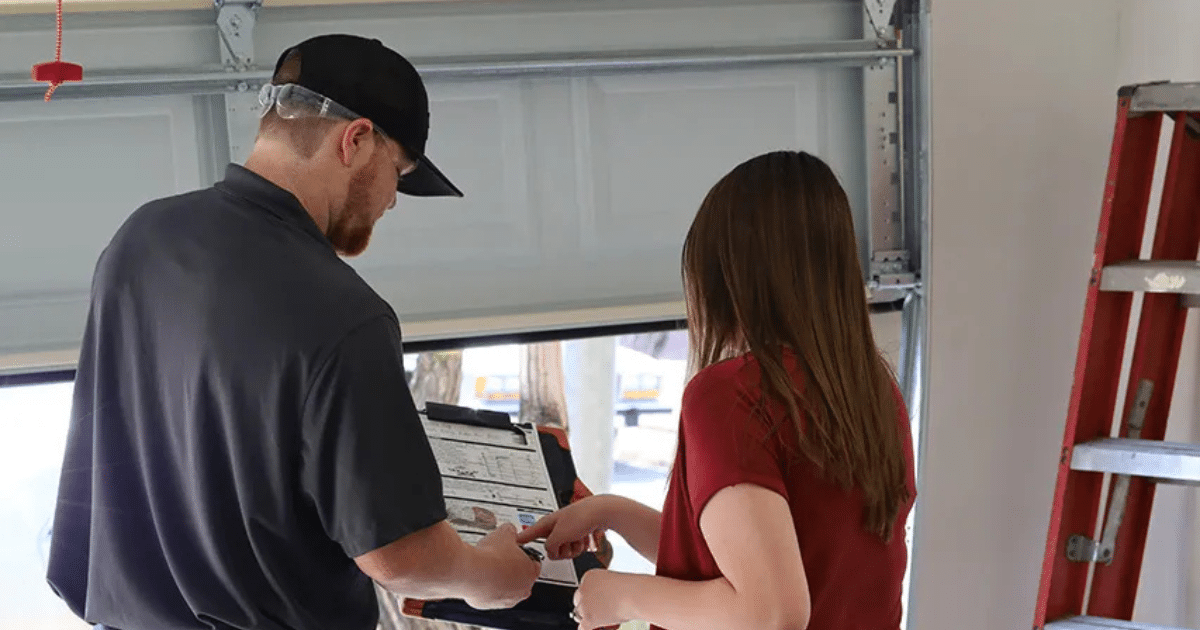
Warning Signs Your Garage Door Is Overdue for Maintenance
Unusual Noises Coming From the Door or Tracks
New sounds during operation often signal that wear is building in parts that should normally move with less friction and less strain.
Common noise patterns include:
- Grinding near the track area, which may point to roller wear or alignment issues
- Squeaking around hinges or joints, which can reflect reduced lubrication on moving hardware
- Rattling during travel, which may suggest loose fasteners or shifting metal parts
- Scraping along one side, which can happen when the door is no longer traveling evenly
- Banging at the start or end of a cycle, which may indicate stress around spring or opener components
Unusual noise patterns often show up before more visible performance problems, so they are worth taking seriously early.
Slower Operation Than Normal
A door that takes longer to open or close may be working against growing resistance somewhere within the system.
Performance changes may show up as:
- Delayed movement after pressing the wall control or remote
- Sluggish travel that feels less smooth than usual
- Hesitation near the start of the cycle
- Reduced response during colder mornings or after repeated daily use
- Extra strain that becomes easier to notice when the door is opening upward
A slower response during daily use often indicates growing strain in the garage door opener, especially when delays and hesitation become more noticeable over time.
Incomplete Opening or Closing Cycles
Interrupted travel usually means one or more parts are no longer allowing the system to complete a full cycle, the way it should.
Signs of incomplete movement may include:
- Stopping short before the door reaches the floor
- Reversing after starting down without finishing the cycle
- Opening partway and then pausing unexpectedly
- Leaving a visible gap at the bottom after closing
- Struggling more in one direction of travel than the other
Incomplete cycles can leave the home less protected and often point to issues that grow worse with continued use.
Excessive Shaking or Vibrating During Operation
Noticeable shaking during movement often means the door is no longer traveling with the level of stability it should have.
Movement problems may look like:
- Side-to-side vibration as the door moves along the tracks
- Jerky travel that feels rough instead of controlled
- Visible wobbling near the upper or lower sections
- Stronger vibration at one point of the cycle than the rest
- Hardware movement that looks less steady than normal
Repeated vibration puts extra stress on connected parts and can gradually lead to more visible wear across the system.
Visible Wear on Springs, Cables, or Rollers
Physical damage to high-stress parts is one of the strongest signs that overdue maintenance is starting to affect how the system holds and moves weight.
A closer look may reveal:
- Fraying along lift cables
- Surface rust forming on spring coils
- Rollers that appear cracked, worn down, or uneven
- Metal components that look dry, strained, or misaligned
- Areas where wear appears heavier on one side than the other
The International Door Association recommends inspecting springs, cables, rollers, and related hardware for wear or damage when high-stress parts show visible deterioration.
Failed Basic Garage Door Safety Check
Problems during a basic safety review can indicate that the system is no longer responding properly to normal protective functions.
Warning patterns may include:
- Reversal features that do not respond as expected
- Sensor-related interruptions that happen without a visible reason
- Closing attempts that stop too soon or do not finish normally
- Inconsistent response when the opening area changes
- Repeated operation issues tied to the same part of the cycle
Problems with reversal or sensor response often indicate issues that require garage door repair services before daily operation becomes less predictable.
Uneven or Crooked Door Alignment
Crooked travel often indicates that the door no longer lifts and lowers under balanced conditions.
Alignment concerns may appear as:
- One side rises slightly ahead of the other
- A slanted appearance while the door is moving
- Uneven spacing along the edges when closed
- Jerky movement that seems stronger on one side
- Added strain that becomes more noticeable during manual use
An ongoing imbalance can make garage door replacement worth considering once the door starts lifting unevenly and places added stress on the system.
Cracked, Torn, or Missing Weather Seals
Damaged sealing material around the door opening can signal overdue upkeep, especially when outside conditions have already started affecting the garage interior.
Seal-related issues may involve:
- Cracks along the bottom edge
- Torn sections that no longer sit evenly against the floor
- Missing pieces near the corners or side edges
- Moisture, dirt, or air that enters more easily than before
- A worn appearance that makes the door look older and less protected
Genie notes that planned maintenance includes checking the weather strip for cracks, tears, gaps, and wear, so damaged seals should be addressed as soon as outside air or moisture begins to enter.
Why These Garage Door Problems Often Start Small
Many garage door issues begin with subtle changes that are easy to dismiss, even though they often signal that wear is already building inside the system.
A few reasons these problems often seem minor at first include:
- Gradual wear on moving parts that does not affect the operation all at once
- Small shifts in balance or alignment that become more noticeable over time
- Light noise changes that homeowners may mistake for normal daily use
- Weather-related strain that slowly affects metal parts, seals, and hardware
- Early opener or spring stress that still allows the door to function for a while
Minor warning signs can be easy to overlook at first, which is why overdue maintenance often goes unnoticed longer than expected.
Why Homeowners in Rockford, IL, Tend to Overlook These Signs
Small garage door changes often get brushed off in Rockford, IL, especially when the system still opens and closes without a complete breakdown.
Common reasons these warning signs get overlooked include:
- Seasonal weather changes that make performance issues seem temporary
- Daily use makes slow wear harder to notice
- Minor noises or movement changes that seem easy to ignore
- Busy routines that delay service until a bigger problem appears
- Assumptions that the door is fine because it still works
Overlooked warning signs often become more noticeable only after wear has already begun to affect overall performance.
What Happens When You Skip Your Routine Garage Door Maintenance
Skipped maintenance often allows small garage door issues to worsen until they affect daily performance, wear on parts, and overall system reliability.
Problems that often follow delayed service include:
- More strain on springs, rollers, cables, and other moving parts
- Greater wear on the opener during daily operation
- Small issues that turn into more involved repair needs
- Reduced smooth operation and less consistent door movement
- Higher risk of unexpected breakdowns and costly repairs
To compare when growing maintenance problems move beyond basic upkeep, read our guide on Garage Door Maintenance Checklist: DIY vs. Hiring a Pro, which breaks down when homeowner attention may no longer be enough.
How a Garage Door Inspection Can Catch Problems Early
A professional inspection can reveal early garage door issues before they start affecting daily operation, part condition, or overall system performance.
An inspection can help identify:
- Wear on springs, cables, rollers, and other moving parts
- Balance or alignment changes that affect how the door travels
- Opener response problems that may worsen over time
- Safety feature issues that are easy to miss during daily use
- Small signs of damage before they lead to bigger repair needs
To gauge how often this kind of service should be scheduled, read our guide on Garage Door Maintenance Checklist: How Often Is Enough?, which explains when regular attention becomes more important for long-term performance.
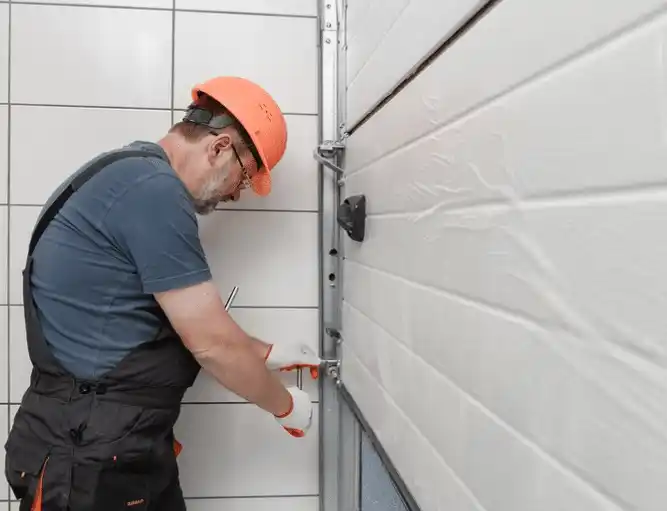
Act Early When Your Garage Door Starts Showing Warning Signs
Catching early warning signs can help homeowners avoid unnecessary disruptions and keep a garage door system working more consistently over time. Staying alert to changes in sound, movement, and overall performance also helps limit wear on key parts and reduces the chance of more disruptive repair needs.
Rockford Door Company provides garage door services supported by years of experience, quality workmanship, and a strong focus on long-term performance. If your system is showing signs of overdue maintenance, contact us or give us a call today to schedule professional service in Rockford, IL.