
A garage door maintenance checklist can help homeowners stay on top of routine care, but it does not always make it obvious which tasks belong at home and which ones should be handled by a professional. Understanding that difference matters when the goal is to protect performance, reduce wear, and keep the system working properly over time.
The choice between DIY and hiring a pro often comes down to the task, the condition of the door, and the level of risk involved in the service. This guide explains where homeowner upkeep usually ends and when professional help makes more sense for long-term garage door performance.
Is Your Garage Door Maintenance Actually Getting Done Right?
Following a garage door maintenance checklist only works when the upkeep behind it is consistent, thorough, and focused on the parts that affect everyday performance.
These signs can help show whether your maintenance routine is being handled the way it should be:
- The door moves smoothly without hesitation or jerking
- Unusual noises stay minimal instead of becoming more noticeable
- Visible hardware remains cleaner with fewer signs of rust or wear
- Moving parts respond better after proper lubrication
- Small changes in performance are noticed early, not ignored
To help homeowners stay more consistent with this kind of upkeep, read our guide on the Garage Door Maintenance Checklist Homeowners Can Follow, which explains what to check regularly.
What Most Homeowners Get Wrong About Garage Door Care
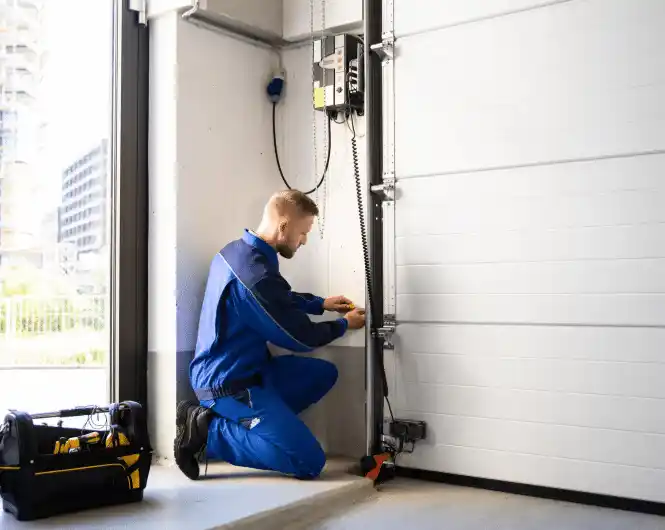
Problems often start when routine care is delayed, rushed, or treated as a one-time task rather than ongoing upkeep.
Common mistakes that show garage door care is falling short include:
- Waiting until the door shows obvious trouble before doing any maintenance
- Ignoring small changes in sound, movement, or opener response
- Using the wrong product on moving parts during lubrication
- Overlooking visible wear on hardware, rollers, or the garage door track
- Assuming the door is fine just because it still opens and closes
Mistakes like these may seem minor at first, but over time, they can lead homeowners toward garage door repair services that could have been avoided with more consistent upkeep.
What Homeowners Can Safely Handle With Garage Door Maintenance
Inspecting Visible Hardware and Moving Parts
Routine checks can help homeowners catch early wear before small changes start affecting daily garage door performance.
Areas worth checking during routine upkeep include:
- Hinges, brackets, and bolts that appear loose or worn
- Rollers that no longer move smoothly along the track
- Hardware showing signs of rust, bending, or surface damage
- Moving parts that seem dirtier or more worn than usual
Regular inspection of visible hardware can help homeowners notice minor wear earlier and keep routine garage door maintenance more consistent.
Cleaning the Door, Tracks, and Surrounding Areas
Clean surfaces and open track areas make it easier to spot buildup, wear, and other changes that can interfere with normal movement.
Focus on maintenance areas such as:
- Door panels with dirt, residue, or moisture buildup
- Track sections with debris collecting near the rollers
- Weather seals holding grime along the bottom edge
- Floor areas near the opening, where dust and small objects gather
Cleaner surfaces can help reduce buildup over time and make it easier to keep the garage door system moving without added resistance.
Lubricating Rollers, Hinges, and Other Moving Parts
Proper lubrication helps reduce friction in frequently used parts and supports smoother operation.
Lubrication points usually include:
- Rollers where repeated movement creates added friction
- Hinges that connect panel sections during travel
- Bearings and joints that move with each open and close cycle
- Metal contact points that sound noisier over time
Clopay highlights that regular lubrication reduces friction buildup over time, helping minimize wear on moving parts and supporting quieter operation.
When Should You Stop and Call a Professional Instead?
Adjusting or Replacing Springs and Cables
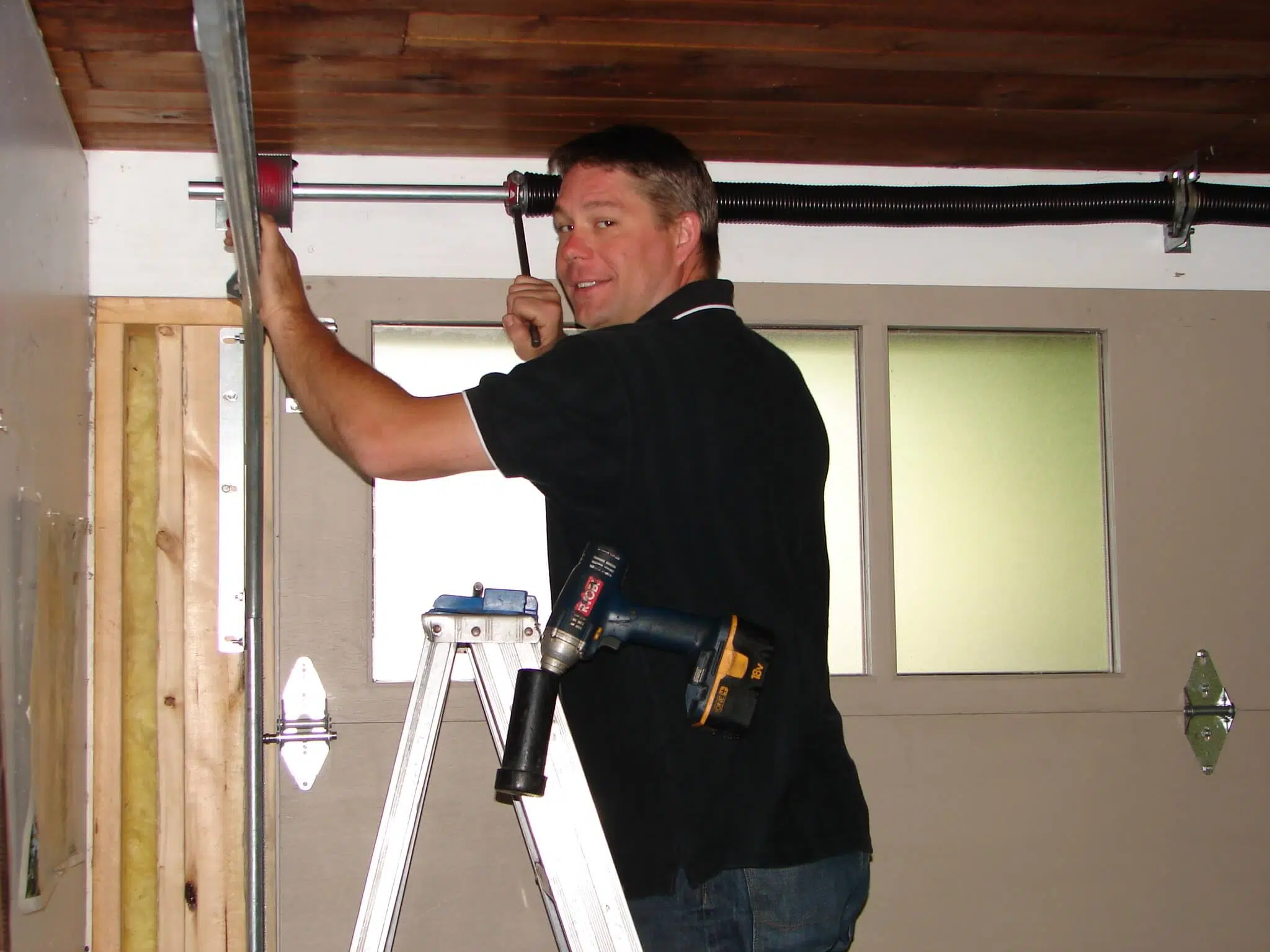
Spring and cable work should be left alone once tension, lift support, or bracket pressure becomes part of the job.
Professional-only work in this area often includes:
- Replacing a broken garage door spring or frayed lift cables
- Adjusting torsion springs to restore door balance
- Correcting cable tension after uneven movement or sagging
- Inspecting brackets and connected hardware for strain or damage
Clopay warns that springs, cables, and bottom brackets can cause serious injury under tension, so repairs involving those parts should be left to trained professionals.
Repairing Track, Roller, and Alignment Problems
Track, roller, and alignment problems usually need professional service once movement becomes uneven or parts stop traveling smoothly.
Problems that usually move beyond homeowner upkeep include:
- Bent track sections that affect roller travel
- Rollers that slip, bind, or wear unevenly
- Alignment issues that cause jerky movement
- Hardware damage that changes how the door sits in the opening
Movement problems in these areas can place extra strain on the system, which is why timely garage door installation support may be worth considering if wear continues to spread across key parts.
Diagnosing Opener, Balance, and Safety Feature Issues
Opener, balance, and safety feature issues usually need professional attention once the system starts reversing unexpectedly or struggling during movement.
Situations that often need a technician include:
- Opener response that becomes delayed, inconsistent, or unusually loud
- Door balance problems that add strain during opening and closing
- Safety sensors that interrupt the cycle without a visible obstruction
- Reversal issues that affect normal closing behavior
Trouble in these areas often affects daily performance in ways that make professional garage door opener service more important before strain spreads through the system.
How a Professional Garage Door Inspection Can Save You Money
Professional inspection helps catch wear early, helping prevent small issues from turning into more expensive garage door repair needs.
A professional visit may help reduce long-term costs by:
- Finding signs of wear before parts fail under daily use
- Identifying balance, hardware, or opener issues that add strain
- Catching minor issues before they lead to costly repairs
- Confirming whether the garage door system still operates in good working order
- Checking parts that homeowners may overlook during regular maintenance
To know when inspection timing matters most for long-term upkeep, read our guide on Garage Door Maintenance Checklist: How Often Is Enough?, which explains how service intervals can affect wear, performance, and repair needs.
DIY vs. Hiring a Pro — How Do You Know Which One You Need?
Choosing between basic DIY maintenance and professional service often depends on the level of risk, the condition of the garage door system, and the type of work involved.
|
Situation |
DIY Maintenance |
Professional Service |
|
Routine upkeep |
Visual inspection, cleaning, and lubrication of moving parts |
Full system check with adjustments and performance testing |
|
Minor changes |
Monitoring unusual noises or small issues |
Diagnosing recurring problems and hidden wear |
|
Tools required |
Basic tools like a socket wrench |
Specialized tools for tension, balance, and alignment |
|
Risk level |
Low-risk tasks with minimal strain |
High-tension parts like springs and cables |
|
System condition |
Door still operates in good working order |
Door shows signs of wear, imbalance, or repeated issues |
To recognize when these differences start to show up in real performance issues, read our guide on the Garage Door Maintenance Checklist: Signs You’re Overdue, which explains how early warning signs indicate the need for professional attention.
Take Control of Your Garage Door Maintenance Checklist in Rockford, IL
A garage door maintenance checklist helps homeowners stay more consistent with routine care and make better decisions about what can be handled at home versus what should be left to a professional. Knowing where DIY upkeep ends and expert service begins can help reduce avoidable wear, support smoother operation, and limit the risk of more disruptive repair needs.
Rockford Door Company delivers professional garage door services backed by years of experience, quality workmanship, and a satisfaction guarantee for homeowners in Rockford, IL. Whether your system needs a tune-up, inspection, or more advanced service, contact us or give us a call today to book expert garage door help for your home.