
You pull into the driveway, press the remote, and the garage door opener suddenly doesn’t respond. When that happens, a homeowner can end up stuck outside, unable to secure the garage or dealing with a door that won’t move when it matters most. Sometimes the cause is simple, such as a tripped breaker, a loose power connection, or a remote battery that needs replacement, but it can also point to an electrical problem inside the opener.
In other cases, the opener has power but still won’t run because photo-eye sensors are blocked or misaligned, travel limits are no longer set correctly, or the door hardware is creating extra tension that the motor can’t overcome. Worn gears, damaged wiring, and aging parts can also cause the system to stop without warning. Knowing the most likely causes helps you narrow the issue quickly and decide when professional repair is the safest next step.
Understanding Garage Door Opener Functionality
A garage door opener is powered by a motor that moves a heavy door up and down using a drive system connected to the rail. When you press the wall control or remote, the opener receives the signal and starts the opening or closing cycle. As the door moves, built-in safety features monitor its motion, manage force, and stop the system if an object is in the way.
If one part of that chain fails, garage door opener issues can appear quickly. To understand why a garage door opener is not working, it helps to know how the key parts support one another, from the motor and drive gear to the sensors and controls. This applies to both newer and older garage door openers. Below is a clear breakdown of what the system does daily, which parts matter most, and the common opener types found in many neighborhoods.
If you want to understand how signal and control issues start at the source, read Why Does a Garage Door Opener Remote Stop Responding?
Key Components of a Garage Door Opener System
A garage door opener is more than the unit mounted to the ceiling. Several parts must operate together for smooth, reliable movement. The motor unit supplies power, while the rail and trolley guide motion as the door opens and closes. When the motor turns, the drive system moves the trolley along the rail, lifting the garage door and lowering it back into place.
Safety sensors, often called photo-eyes, are mounted near the bottom of the track and emit an infrared beam across the opening. If that beam is blocked or the sensors are misaligned, the door may refuse to close or reverse to avoid property damage. Garage door springs, including torsion and extension springs, carry most of the lifting load and help manage tension to prevent motor overload. Cables connect the springs to the door and keep the door balanced on both sides.
If any of these parts wear down or become damaged, a garage door opener may stop working or behave unpredictably. For basic cleaning, gently wipe the sensor lenses with a soft cloth and ensure there is no debris in the sensor path. If the problem involves springs, cables, or internal opener components, an expert should perform the repair to ensure safe, accurate operation.
How Garage Door Openers Work in Daily Use
Most homeowners use a garage door opener multiple times a day, so that minor issues can turn into noticeable problems. The operation starts when you press the wall control or remote. That signal reaches the motor unit, which powers the drive system to move the trolley along the rail. As the trolley moves, it pulls or pushes the garage door along the tracks to ensure smooth opening and closing.
Garage door sensors stay active during every close cycle. The photo-eyes monitor the opening for objects, and if the beam is blocked or the sensors are misaligned, the door can stop and reverse. This safety feature is required on modern garage door openers and helps reduce the risk of damaged property.
Your opener also relies on travel limits to know where the fully open and fully closed positions should be. These settings help the door stop at the right points and reduce hard contact with the floor. If the opener stops mid-cycle, reverses unexpectedly, or fails to close completely, the cause may be travel limits, sensors, or worn parts that require professional inspection or repair.
Common Types of Garage Door Openers Used in Rockford, IL
In Rockford, IL, a homeowner typically has a few reliable garage door opener options, each with its own strengths. The two most common options are chain-drive and belt-drive openers. Many older garage door opener units are chain-drive models, valued for durable performance and strong lifting ability, though they can be louder during daily operation.
Belt-drive openers are often selected for attached garages because they run more quietly and with smoother motion. Instead of a chain, they use a reinforced belt to reduce vibration and sound. This can be a major advantage when the garage is near bedrooms or main living areas.
Selecting the right opener depends on door weight, garage layout, and how important quiet operation is in your home. Installation steps are similar across models, but they should follow the manufacturer’s instructions for safe settings and accurate travel limits. If you need garage door opener repair or help selecting a replacement unit, an expert can inspect the door system and confirm compatibility.
| Opener Type | Primary Advantage | Ideal Use |
| Chain-Drive | Durable, strong lifting power | Detached garages or where noise is less noticeable |
| Belt-Drive | Quiet, smooth operation | Attached garages or noise-sensitive homes |
Signs Your Garage Door Opener Has Suddenly Stopped Working
When a garage door opener suddenly stops working, there are often early warning signs before the system entirely fails. The most obvious sign is no response at all when you press the remote or wall control. Still, many garage door opener problems start with more minor changes in sound, speed, or consistency that a homeowner may notice over a few days or weeks.
Pay attention to loud grinding, buzzing, or rattling during operation, along with a door that opens unevenly, reverses for no clear reason, or stops responding to commands. These symptoms can indicate worn parts, loose connections, sensor issues, or wiring problems within the opener. Noticing these signs early helps you narrow down the cause and decide whether basic checking is enough or if an expert should handle garage door repair before the issue becomes more severe.
If the door hesitates, reverses, or stops partway through movement, read Why Does a Garage Door Opener Stop Mid-Cycle?
Unusual Noises or Clicking Sounds
New or louder sounds from a garage door opener are often an early sign that something is worn, loose, or starting to fail. A properly operating system should run with steady, consistent motion. If you hear unusual noises from the motor unit or along the track, perform basic checks before the issue escalates.
Grinding or screeching can indicate worn gears, rollers, or other moving parts, and can also occur when there isn’t enough lubricant at metal-to-metal interfaces. Clicking can be different. If the opener clicks but the door won’t move, the issue may be in the electrical system, such as a relay, capacitor, wiring connection, or control board.
Common garage door opener noises and what they often mean:
- Grinding: Worn gears, worn rollers, or damaged parts in the drive system
- Screeching: Parts that need lubrication, or rollers/tracks, creating excess friction
- Clicking: Possible electrical problem inside the opener or an interrupted power signal
Garage Door Opener Stops Responding to Remote or Wall Switch
A common garage door opener issue is a system that won’t respond to the remote or wall control. You press the button, but the garage door doesn’t move. In many cases, the cause is simple and can be identified through basic checks.
Start with the remote. Dead batteries are among the most common causes of a garage door opener failing to respond, so replace them first. If that doesn’t restore operation, consider signal interference from nearby electronics, a damaged remote, or an opener antenna that’s loose, bent, or positioned poorly. Range can also be a factor, especially if the signal is weak or the opener is older.
If the wall control doesn’t work, the issue may involve a wiring connection, a damaged wall button, or a control circuit problem inside the opener. When both the remote and wall control fail simultaneously, power supply checks and a full inspection of the opener’s parts are often the next step.
Door Stops Mid-Cycle or Reverses Unexpectedly
If a garage door starts to close, then stops and reverses before reaching the floor, the opener is usually responding to a safety input or resistance along the travel path. The same applies when the door stops halfway during opening. Modern garage door openers are designed to prevent or reverse when they detect an obstruction or when the system senses abnormal force.
Photo-eye safety sensors are the most common cause. If the sensor lenses are dirty, the sensors are out of alignment, or the sensor wiring is loose, the opener may “read” the opening as blocked and reverse the door. Track obstructions can also trigger a stop, including debris near the rollers or a bent track section that increases friction.
Incorrect travel limits can create similar symptoms. Travel limit settings tell the opener how far the garage door should move. When limits are set too short or too long, the opener may stop early, reverse unexpectedly, or behave as if it hit an obstacle. If basic checks and sensor cleaning do not restore regular operation, an expert should inspect the sensors, tracks, and opener settings to prevent damage to parts and recurring failures.
Exploring the Most Common Causes of Garage Door Opener Failure
Now that you know the warning signs that a garage door opener isn’t working correctly, the next step is to identify the root cause of the failure. Most garage door opener problems fall into three categories: power and electrical supply issues, sensor or wiring trouble, and everyday wear on parts over time. Narrowing the cause helps a homeowner avoid repeated breakdowns and focus on the checks that matter most.
Some garage door opener issues can be resolved with basic checking, such as confirming power, clearing the sensor path, or replacing remote batteries. Other situations, especially those involving internal electrical parts, damaged wiring, or door hardware that creates excess tension, require an expert to restore safe, reliable operation and reduce the risk of further damage.
If you hear a click from the opener but the door will not move, read What Makes a Garage Door Opener Click but Not Open?
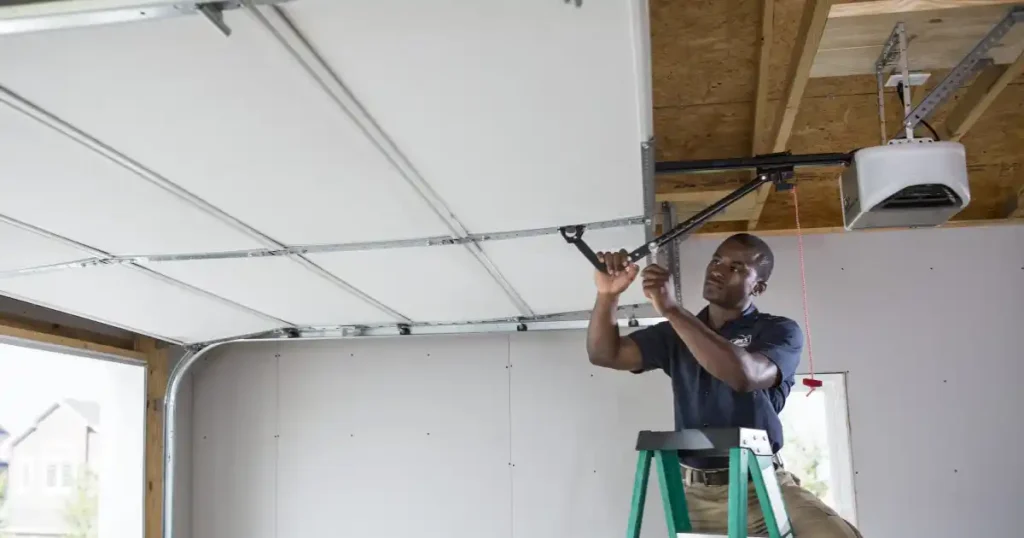
Electrical Issues and Power Disruptions
A garage door opener can’t operate without a steady power supply, so start with the electrical supply before assuming a major failure. Storms, brief outages, power surges, or a loose plug can interrupt power to the motor unit, making the opener appear unresponsive.
First, confirm the motor unit is securely plugged into a working outlet. A quick way to check is to plug in a lamp or another small device. If the outlet is dead, check your home’s electrical panel for a tripped circuit breaker or a blown fuse and reset the breaker as needed. Also, confirm the opener’s disconnect settings haven’t been triggered.
Key electrical checks for a garage door opener:
- Make sure the motor unit is firmly plugged in
- Check the circuit breaker or fuse for the garage outlet
- Confirm the emergency release or disconnect setting wasn’t triggered by mistake
Faulty Sensors and Wiring Problems
Garage door safety sensors, often called photo-eyes, help protect homeowners by preventing the door from closing when something is in the opening. For the system to function correctly, the sensors must face each other and maintain a continuous beam. If the lenses are dirty or the sensors are misaligned, the opener may refuse to close the door or reverse unexpectedly.
Wiring trouble can create the same symptoms. A loose connection, damaged wire, or worn insulation can interrupt the sensor signal between the photo-eyes and the motor unit. This may cause inconsistent operation, blinking indicator lights, or a door that only closes when the button is held down.
Basic checking for garage door sensor problems:
- Wipe the sensor lenses with a clean, soft cloth
- Confirm both sensors are aligned and facing each other
- Inspect sensor wiring for loose connections or damaged wires
For step-by-step sensor alignment indicators (including what the LEDs mean), the LiftMaster sensor alignment guide is a reliable manufacturer reference.
Mechanical Wear or Broken Parts
With daily use, garage door opener parts wear down over time, especially in high-use households. When moving surfaces lack sufficient lubricant, friction increases and wear accelerates. This can lead to grinding, hesitation, or a motor that runs while the garage door barely moves. In some cases, stripped gears inside the motor unit allow the opener to operate without transferring force to the door.
Garage door springs also play a major role in smooth operation. Torsion springs and extension springs carry significant tension and handle much of the lifting load. When a spring is damaged or breaks, the garage door becomes much heavier, and the opener may struggle, stop mid-cycle, or reverse as it senses resistance. Because springs and cables store high tension, an expert should handle inspection and repair.
Limit settings can also create mechanical-style symptoms. These settings control how far the door travels up and down. When travel limits are incorrect, the garage door may not close fully, may stop short, or may reverse unexpectedly. If you notice recurring issues after basic checks, a professional inspection can confirm whether wear, damaged components, or incorrect settings are causing the failure.
InterNACHI also summarizes why spring and hardware conditions can create safety risks during inspection and service.
When to Seek Professional Garage Door Opener Repair or Installation
Some garage door opener problems can be resolved with basic checking, but larger failures call for an expert. Any issue involving electrical parts, damaged wiring, or high-tension springs can be risky without proper tools and training. Knowing when to step back helps a homeowner protect the door system and avoid damage to parts that can lead to recurring breakdowns.
A qualified garage door technician can inspect the opener, door hardware, and safety sensors, then confirm whether repair, parts replacement, or a complete garage door opener installation is the best solution. Professional service also ensures travel limits, safety settings, and sensor alignment are set correctly for reliable daily operation. If you’re unsure about the cause or the door feels unusually heavy or moves unpredictably, calling an expert is the safest choice.
Assessing When to Repair Versus Replace Your Garage Door Opener
When garage door opener problems show up, it’s natural to wonder whether garage door opener repair is enough or if a replacement makes more sense. The right decision usually comes down to the opener’s age, the condition of key parts, and how often the system fails. A one-time issue on a newer unit is often worth repairing, especially when the motor, rail, and safety sensors are still in solid condition.
For an older garage door opener, repeated breakdowns can signal worn internal parts, aging wiring, or a motor nearing the end of its service life. Many openers in the 10–15-year range also lack newer features that support quieter operation, smart-home compatibility, and enhanced security. An expert can inspect the full system and help confirm whether repair or replacement is the safer long-term choice.
Consider replacement when:
- The repair is more than half the cost of a new garage door opener
- The opener needs service frequently due to recurring failures
- The unit lacks modern safety features such as photo-eye sensors
Safety Precautions to Follow Before Calling for Service
Before an expert arrives, or if you plan to do basic checking, focus on safety first. A garage door is heavy, and the system relies on high tension in the springs and cables. One wrong move can damage components or injure the homeowner, especially if the door moves unexpectedly.
Start by disconnecting power to the opener. Unplug the motor unit from the outlet before touching the opener, sensors, or any wiring. This prevents the system from activating while you are checking the area. Keep all hands and tools away from springs and cables, as these components store high tension and require professional handling.
Safety steps to follow:
- Disconnect the power source before any checking
- Do not adjust or remove high-tension springs or cables
- Follow the manufacturer’s instructions for simple care, such as cleaning sensor lenses with a soft cloth
Average Garage Door Opener Repair Costs in Rockford, Illinois
Professional garage door opener repair in Rockford, Illinois, can vary widely based on what failed and which parts need attention. Smaller jobs, such as sensor alignment or remote reprogramming, are typically simpler and require less time. Larger repairs, especially those involving internal electrical components or worn drive hardware, tend to be more complex and require replacement of parts.
In most cases, a garage door technician starts with a full inspection to confirm the cause, then outlines the recommended repair and the parts needed. Total pricing is usually based on labor plus replacement parts, which may include safety sensors, gears, sprockets, or a circuit board. If the opener is beyond reliable repair, the scope of work for the garage door opener installation includes setup, travel limit calibration, and safety testing.
Cost drivers often include the opener type, the failed part, and the time required for safe installation and testing.
| Repair Type | Potential Cause | Cost Factor |
| Sensor Adjustment/Repair | Misalignment, dirty lenses | Lower (mostly labor) |
| Gear and Sprocket Repair | Worn internal parts | Moderate (parts + labor) |
| Circuit Board Replacement | Electrical failure, power surge | Higher (part-driven) |
When a garage door opener stops working, quickly identifying the cause helps a homeowner restore secure access and reduce the risk of damage to parts. Warning signs such as unusual noises, a remote that won’t respond, or a door that stops mid-cycle often indicate power interruptions, sensor issues, incorrect travel limits, or worn parts. Early detection and timely repair can help prevent larger failures and keep daily operations reliable.
For garage door opener repair and installation in Rockford, Rockford Door Company provides trained technicians who can inspect the entire system, identify the cause, and perform maintenance safely. If your garage door reverses unexpectedly, clicks without opening, or won’t close reliably, contact us or give us a call to schedule service and get your opener operating smoothly again.