
You press the remote and hear a sharp click from the garage door opener, yet the door stays in place. That sound usually indicates the opener is trying to start but cannot complete its normal cycle. For a homeowner, this can disrupt daily routines and signal a safety hazard issue if the door is heavy or unbalanced.
Several common problems can cause a garage door opener to click but not open, including power or control faults, worn gears, a stuck trolley, or a door that is binding on the track. In some cases, the logic board relay clicks, but the motor does not turn. Spring tension also matters; if a torsion spring is damaged, the opener may not have the lifting support it needs. Pause operations immediately until a professional completes an inspection and recommends an appropriate repair.
Understanding Garage Door Opener Clicking Sounds
That clicking sound often comes from the garage door opener’s relay switching on and may be accompanied by unusual noises. In simple terms, the opener receives the command from the remote or wall control, and the relay attempts to send power to the motor. When you hear the click but the door does not move, the opener is reaching the first “start” moment and then failing immediately afterward.
For a homeowner doing basic garage door troubleshooting, understanding common garage door problems helps narrow the cause. The click typically confirms the control signal is reaching the opener, so the issue is less likely to be the remote or wall button. Instead, the concern usually shifts to the opener’s internal parts, the drive system, or the door itself. Because a clicking opener can also occur when the door is jammed, out of alignment, or under improper spring tension, a professional inspection is the safest way to confirm the source and complete the appropriate repair.
For a related issue that can feel just as sudden, read Why Does a Garage Door Opener Suddenly Stop Working?
Why “Click But Not Open” Is a Common Issue in Rockford Homes
Rockford, IL, homeowners often experience garage door opener issues, and “click but not open” is one of the most common. Weather swings, moisture, and seasonal temperature shifts can wear down parts over time, leading to loose connections, sensor alignment trouble, or a drive system that cannot transfer power from the motor to the trolley. Maintaining energy efficiency is crucial to preventing these issues. When the opener clicks but the door stays in place, garage access becomes unreliable fast.
Other frequent issues in the area include damaged springs, a door that binds or slips off track, and broken spring controls that stop responding. If the door will not move after the click, stop the operation and schedule a professional inspection. A trained technician can determine whether the issue is the opener, safety sensors, wiring, door hardware, or spring tension, then perform the appropriate repair to restore safe operation.
If the door starts and then quits during travel instead, read Why Does a Garage Door Opener Stop Mid-Cycle?
How Different Garage Door Systems Can Affect the Problem
Different opening types can alter symptoms, even when the underlying cause is similar. Chain-drive and belt-drive units transfer power through different drive components, so noise and vibration can vary. Understanding common garage door issues helps identify when both the garage door and the opener can click or stall if the trolley binds, the gear assembly cannot engage, or the door encounters resistance on the track. Regardless of style, every garage door opener relies on a motor, gears, wiring, and safety controls to complete a full opening cycle.
Smart garage door openers add Wi-Fi control and alerts, but they still rely on the same mechanical parts that are crucial to the door’s operation. A power surge, worn gear, a jammed trolley, a sensor fault, or a door that is too heavy due to spring tension can cause clicking with no movement. Commercial door systems can exhibit the same issue on a larger scale, so a professional inspection is essential to confirm the cause and ensure a safe repair.
If the opener reacts inconsistently at the control stage, read Why Does a Garage Door Opener Remote Stop Responding?
Key Components of a Garage Door Opener System
A garage door opener clicks but does not operate when one or more key parts, including the garage door motor, cannot complete the start-to-lift sequence. Inside the unit, the logic board receives the command; the relay engages, and the motor turns the gear assembly, moving the drive system (chain, belt, or screw) and pulling the trolley. If any of these parts fail to engage correctly, the opener may click, attempt to start, and then stop before the door moves.
The opener also depends on the door hardware moving smoothly. Garage door springs supply lifting support, rollers guide stable travel, and tracks maintain alignment. If spring tension is off, a roller binds, or the track shifts, the opener detects resistance and cannot move the load. When that happens, the clicking sound becomes an early warning that a professional inspection and targeted repair may be needed.
Inside a Standard Garage Door Opener Mechanism
When you press the remote or wall control, the logic board processes the signal and triggers the relay to deliver power to the motor. The motor should turn the drive gear and sprocket, thereby moving the chain or belt and pulling the trolley along the rail. Because the trolley connects to the door arm, this motion raises or lowers the garage door along the track in a controlled cycle.
If you hear the relay click, but the motor does not turn, the system stalls at the first step. A worn gear, a damaged sprocket assembly, a seized motor, or a jammed trolley can block motion and keep the door in place. Regular maintenance of spring tension also matters: torsion springs reduce the load the motor must lift, and a damaged spring can make the door too heavy, causing clicking with no movement. In that situation, stop the operation and schedule a professional inspection to ensure safe, accurate repair.
The Role of Sensors and Remotes in Garage Door Functionality
Photo-eye sensors are a key garage door safety feature, and they directly affect reliable operation. Positioned near the bottom of the tracks, they send an invisible beam across the opening, ensuring it does not obstruct the door’s path. If that beam is interrupted, the system treats it as an obstruction to help prevent property damage or injury to a homeowner. Although photo-eyes usually affect closing, severe misalignment, dirty lenses, or wiring trouble can also interfere with normal movement and create unexpected opener behavior.
When a sensor fault is detected, the logic board can still react to the command, and you may hear a relay click, but the opener may refuse to run the motor as a safety response. Common causes include dust or moisture on the lenses, misaligned sensors, loose connections, or damaged wiring near the track area. Remotes can also cause inconsistent operation when batteries are weak, programming is disrupted, or signal interference is present. A professional inspection can determine whether the issue is sensor alignment, the receiver, wiring, or another opener or door component, and then perform the appropriate repair safely during routine maintenance.
Common Causes for a Garage Door Opener Clicking Without Opening
When a garage door opener clicks but does not open, the issue is usually one of three: power delivery, safety sensor faults, or a motor or gear problem in the garage door opener that prevents the drive system from moving the trolley. A clicking sound often means the opener receives the command and the relay engages, but the system cannot complete the next step. In many cases, this does not mean the entire opener needs to be replaced. It often comes down to one failed part, a blocked door path, or a door that is too heavy due to spring tension.
Effective garage door troubleshooting starts with checking the basics in a safe, logical order. Confirm the opener has steady power, then check that photo-eye sensors are clean, aligned, and securely connected. If the sensors pass inspection, the issue may be a worn gear assembly, a seized motor, or resistance in the door hardware that prevents movement. Identifying the root cause supports effective garage door repair and helps reduce recurring breakdowns.
Power Supply Issues and Their Impact on Garage Door Openers
Power issues are a common cause of garage door problems, particularly when the opener clicks but the door does not move. In some cases, the opener receives enough electricity for the relay to engage, yet the motor does not get stable power to start and lift the door. This can occur due to a loose outlet connection, a damaged power cord, a tripped circuit breaker at the source, or internal wiring issues that interrupt power delivery under load.
Power surges can also damage the logic board, which controls signals between the relay, safety system, and motor. When the board is damaged, it may send incomplete commands or fail to trigger the motor even though you still hear clicking. Because electrical diagnostics involve safety risks and sensitive parts, it’s best to schedule a professional inspection. A trained technician can verify safe power delivery, test the logic board, and complete the correct repair without creating additional damage.
Problems with Garage Door Sensors or Remote Controls
Sensor trouble is a common cause of a garage door opener clicking but not moving. Photo-eye sensors near the base of the tracks must be clean, aligned, and securely connected. When lenses are dirty, sensor issues such as misalignment or damaged wiring can cause the logic board to treat it as a safety fault. You may hear the relay click, but the opener may refuse to run the motor to help prevent property damage or injury to the homeowner.
A homeowner can start with a simple check: clear anything near the sensor path and gently clean the lenses of the old garage door and opener. If the issue continues, the cause may be a loose connection, damaged wiring, or a failed sensor that needs professional installation. Remote control trouble is less common when you still hear the opener click, but weak batteries, programming issues, or receiver faults can cause an inconsistent response. If both the remote and wall control do not operate the old garage door, schedule a professional inspection so a technician can determine whether the issue is with the sensors, wiring, receiver, or another component, and complete the appropriate repair safely.
Signs That Indicate Your Garage Door Opener Needs Repair
A clicking sound is one warning sign, but other symptoms may indicate that the garage door opener, a mechanical device used for this purpose, needs repair soon. If you hear grinding, straining, or other unusual noises during operation, the motor, gear assembly, or drive parts may be wearing down. Slow movement, jerking during travel, or a door that stops mid-cycle and reverses can also point to rising resistance in the system, worn opener parts, or door hardware that is no longer moving smoothly.
Catching these signs early helps a homeowner avoid a complete breakdown. Routine inspection and basic checks can reveal issues such as loose hardware, misalignment, or worn rollers that increase strain on the opener. If noise, hesitation, or inconsistent movement persists, schedule an experienced garage door service technician for a professional inspection to confirm the cause and complete the proper repair before additional parts are damaged.
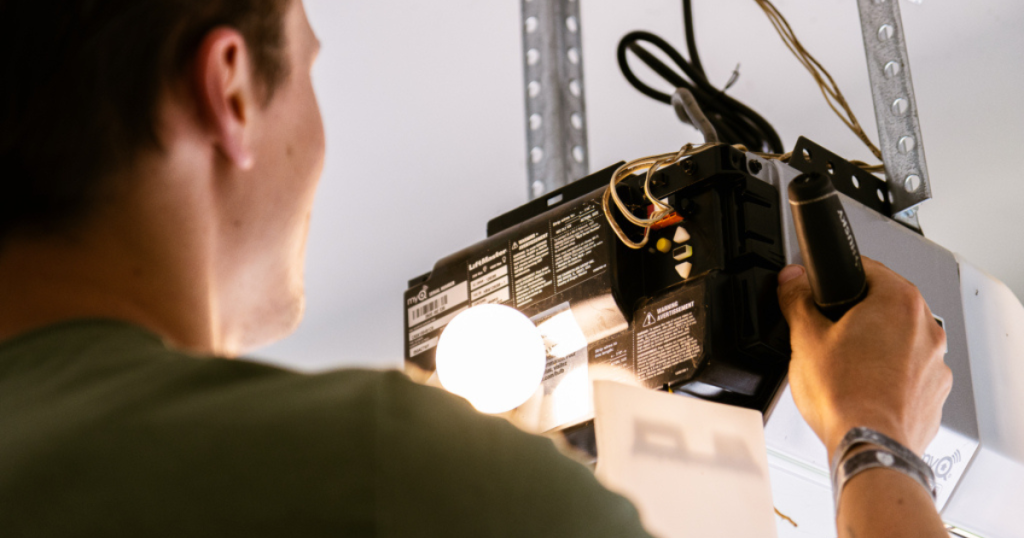
When to Call for Professional Garage Door Opener Repair in Rockford, Illinois
Knowing when to stop DIY checking and call a professional protects both the homeowner and the door system. If a garage door opener clicks but won’t lift the door, forcing the door to lift can damage parts and increase safety risks. In Rockford, Illinois, and the surrounding areas, a trained technician has the tools and experience to inspect the opener, door hardware, and safety system, then perform the appropriate repair without causing additional damage.
Schedule professional service immediately if the clicking persists after basic sensor cleaning and power checks, if you notice frayed wiring or a burning smell from the motor unit, or if the door shows signs of spring damage or incorrect spring tension. Proper maintenance includes choosing a licensed and insured company with strong local feedback and clear communication about the scope of services. Asking direct questions about the inspection process, parts used, and warranty coverage helps ensure reliable results without unnecessary replacements.
How Repeated Clicking Sounds Point to Deeper System Faults
A single click can be harmless, but repeated clicking from a garage door opener often means the system is trying to start and failing at the same point in the cycle, which can compromise your home’s security. Each attempt can strain the motor and logic board and can worsen wear inside the opener. If the door does not move or moves inconsistently, continued operation can cause additional damage and a complete shutdown.
Repeated clicking can also indicate faults in internal components that are not visible during basic inspection, such as a worn gear-and-sprocket assembly, a failing capacitor, or a damaged logic board. Repeatedly pressing the remote can worsen the problem, especially if the door is binding on the track or the spring tension is incorrect. To ensure proper garage door maintenance, the safest approach is a professional inspection, where a technician can perform accurate troubleshooting, identify the failing part, and perform the appropriate repair to restore reliable operation.
How Garage Door Repair Technicians Diagnose Clicking Issues
When you call a garage door technician for your garage door needs, the first thing they do is inspect the entire garage door system to determine why it is clicking. They do not guess. They review every part to identify the issue.
The process starts by checking the power source and safety sensors, as these components are the most common cause of the problem. After that, they check the interior of the opener, considering several key factors. They examine components such as the logic board, motor, and drive gears.
A good garage door technician knows how to spot signs of wear or damage that most people and even other professional technicians or repair services might overlook. This careful approach ensures you get the right garage door repair services the first time.
What to Expect During a Service Appointment for Garage Door Opener Repair
During a service appointment, a technician follows a straightforward, professional process focused on safe operation and accurate troubleshooting of common garage door issues. First, the technician listens to the homeowner’s description of the clicking issue, assesses the opener’s response, and conducts a full inspection of the opener, sensors, wiring, and door hardware. The goal is to diagnose the root cause, not just the symptom, so the repair addresses what is actually stopping the door from moving.
After the inspection, the technician explains the findings and outlines the recommended repair, including which parts need attention and why. Once approved, the technician completes the repair using quality parts, then performs repeat testing to confirm smooth travel, correct spring tension support, and proper safety sensor response. Before leaving, the technician verifies reliable operation of the remote and wall control and confirms that the door opens and closes consistently, with no unusual noises.
Safety Precautions in Garage Door Repair Services
Garage door repair involves high spring tension and electrical components, which can pose a serious safety risk to homeowners, especially when dealing with a broken garage door spring. Torsion springs store significant tension, and opener circuits can also be hazardous if mishandled. For that reason, professional repair is the safest option when an opener clicks but the door will not move.
During service, a technician follows a safety-focused process: power is disconnected before electrical inspection or wiring repair, proper tools are used to release or adjust spring tension safely, and the door is secured to prevent it from dropping during the repair. These steps reduce the chance of damaged parts, property damage, or injury. If the issue involves springs, wiring, or internal opener parts, scheduling a professional inspection is the safest path to restore reliable operation. For a plain-language reference on how torsion springs counterbalance garage door weight, Wikipedia’s torsion spring overview provides helpful context
Garage Door Installation Considerations: If Replacing an Opener
In some situations, repair is not the most practical option, especially when an opener has repeated failures, outdated safety features, or internal damage that affects reliability and could lead to costly repairs. Replacing the unit can improve performance, strengthen safety, and add modern features such as quieter operation, upgraded controls, and more intelligent monitoring. The right choice depends on the opener’s condition, how often the issue recurs, and whether key parts remain reliable.
If replacement is the best path, professional garage door installation helps ensure the opener is matched to the door’s size and weight and set up for safe, consistent travel, which contributes to the longevity of your garage door. A technician confirms mounting, rail alignment, travel limits, and safety sensor placement, then verifies the door is properly balanced and supported by correct spring tension. With proper installation and final testing, the new opener operates smoothly and is set up to last over time.
Choosing the Right Type of Garage Door Opener for Your Home
If you’re selecting a new garage door opener, focus on how you use the garage and what matters most for daily comfort. Chain-drive openers are durable and dependable, making them a solid option for heavier doors or frequent use, though they can be louder. Belt-drive models run more quietly, which can be a better match when there’s living space above or beside the garage. The proper selection also depends on door weight, door height, and the smoothness with which the garage door operating hardware travels along the track.
Smart garage door openers add app control, status alerts, and activity monitoring, but they still require proper installation and a well-balanced door, which contributes to your home’s curb appeal. If your current opener is aging or has repeated clicking and no movement, it can make sense to discuss an upgrade during the same service appointment. Many modern units also include features like battery backup and enhanced security controls, helping the door operate during outages and improving overall access protection for the homeowner.
The Importance of Professional Garage Door Installation in Rockford
Professional garage door service installation ensures the opener is installed in accordance with manufacturer requirements, supporting safe operation and protecting warranty coverage. In Rockford, IL, local conditions such as seasonal moisture, temperature swings, and daily use can affect long-term reliability, so proper setup from day one is essential. A trained technician also understands the appropriate safety standards for sensor placement and controlled door travel.
When garage door opener installation is not completed correctly, the opener and door parts can wear more quickly, operate inconsistently, or pose a safety risk. A professional sets travel limits, force settings, and the safety reversal system, then completes repeat testing to confirm smooth movement and dependable response. This approach applies to residential systems and commercial door repair needs, helping both homeowners and local businesses maintain reliable access and safer operation.
When a garage door opener clicks but the garage door does not open, it helps to understand what the sound is telling you. In Rockford, this issue is common and can be caused by power delivery, sensor alignment, worn opener parts, or door hardware that creates resistance due to improper spring tension or track issues. If basic checks do not restore regular operation, a professional inspection from a trusted garage door company is the safest way to identify the cause and complete the appropriate repair.
Rockford Door Company handles garage door opener repair and installation in Rockford, IL, with a safety-first process that focuses on accurate diagnosis and reliable operation. If the opener clicks or the door will not move, contact us to schedule service, or give us a call to book an appointment and get your system back to smooth, secure performance.