
A garage door system is heavy, complex, and built around controlled movement under spring tension. When installation is done correctly, the door travels evenly, closes consistently, and supports reliable access for years. When key details are missed, problems can show up as noise, uneven gaps, unpredictable reversing, or a door that feels harder to lift than expected.
Homeowners often assume a door issue is only about the panels or opener, but professional garage door installation is usually about correct measurements, stable anchoring, matched springs, and precise track alignment. Knowing when professional support is the right choice helps reduce safety risks, prevent damaged parts, and set up a system that performs reliably through daily use and seasonal changes.
Why Professional Installation Matters For Safety And Reliability
Garage door installation is not only a construction task. It is a safety-critical setup that involves heavy parts and stored energy under high tension. A professional focuses on system balance, alignment, and verified safety operation, not just completing an installation.
If you want a clear foundation on planning and compatibility, read What Should You Know Before Installing a Garage Door?
What Professional Installation Is Designed To Achieve
A professional installation typically aims for:
- Smooth, steady door travel from floor to fully open
- Correct spring tension that supports balance at mid-travel
- Tracks aligned to prevent binding, rubbing, and vibration
- Secure brackets anchored to stable framing
- An opener operation that guides movement without excess strain
- Safety sensors and reversal response that perform consistently
To see the most important pre-start checks technicians confirm, read What Should Be Checked Before Garage Door Installation Begins?
Why Opening And Closing Do Not Confirm Proper Setup
A door can open and close while still being out of alignment, under-tensioned, or over-tensioned. Those conditions can lead to early wear on rollers, hinges, cables, and opener parts. Professional installation is built around inspection and testing that confirms stable operation beyond the first few cycles.
For a breakdown of what can fail when details are missed, read What Risks Happen When Garage Door Installation Goes Wrong?
The Most Common Reasons Homeowners Need Professional Installation
Many installations require professional support because the garage, the door selection, or the existing setup creates variables that are hard to confirm without experience.
The Door Weight Or Door Design Is Not Standard
Heavier doors, insulated doors, doors with windows, and custom designs often require specific spring sizing and reinforcement planning. When a door is heavier than expected, springs and cables must be matched to support controlled lifting and reliable closing.
The Opening Has Settling Or Is Out Of Square
Older garages can have openings that are slightly out of square due to settling. That affects track placement, sealing, and door alignment. A professional checks squareness and builds a plan that supports stable travel rather than forcing a standard layout into a non-standard opening.
Changing Track Layout Or Door Type
Changes like low-headroom track strategies, higher-lift needs, or converting from one spring style to another require careful hardware matching. A professional ensures the travel path is correct and that parts are compatible with the selected door and garage layout.
An Opener Must Be Installed Or Reconnected
Opener installation includes mounting stability, rail alignment, travel limits, force settings, and sensor alignment. A professional verifies that the door is balanced before final opener adjustment, which helps support consistent daily operation.
Clear Signs You Need Professional Garage Door Installation
If one or more of the conditions below apply, professional installation is usually the safer, more reliable option.
The Door Is Heavy, Oversized, Or Insulated
Heavier doors often require different springs and may require reinforcement depending on width and design. If the door is heavy, spring selection becomes a critical safety factor because it determines balance and lifting behavior.
The Door Has Travel Problems In The Current Setup
If the existing door binds, shakes, rubs, or closes unevenly, it may indicate track misalignment, weak anchoring, or hardware wear. Installing a new door into a setup with unresolved alignment concerns can lead to repeated service needs.
The Garage Has Tight Clearance Or Ceiling Obstructions
Low ceilings, ductwork, beams, or storage platforms can interfere with track travel and opener placement. A professional can determine whether specialized track strategies are needed and confirm safe mounting locations.
The Framing Near The Opening Is Worn Or Unstable
Brackets and spring anchors must be secured into stable framing. If jambs or headers show wear, softness, cracking, or prior patching, anchoring strength may be reduced. A professional inspection helps confirm whether reinforcement is needed before installation.
You Want Smart Features Or Keypad Access Added
Adding smart control, keypad access, or upgraded safety features often requires careful planning for wiring, sensor placement, and opener configuration. Professional installation helps ensure reliable performance without erratic sensor behavior.
What A Professional Will Check Before Installation Begins
A professional inspection is designed to confirm fit, compatibility, and safe setup. This is where many problems are prevented.
Opening Measurements And Squareness Verification
A technician measures width and height, then checks whether the opening is square. Squareness affects track alignment and sealing. Even small deviations can cause uneven gaps or rubbing that leads to noise and wear.
Clearance Review For Track And Spring Layout
Headroom, sideroom, and backroom determine the track plan and spring placement. Limited clearance may require alternate hardware placement. A professional confirms what layout supports full opening travel without interference.
Framing And Attachment Point Inspection
Tracks and spring anchors transfer repeated forces into the structure. A professional checks the header, jambs, and mounting surfaces to confirm they can support brackets under repeated use and vibration.
Hardware Compatibility Confirmation
Hardware must match the door weight and height. This includes springs, cables, drums, rollers, hinges, and brackets. Correct matching supports balanced lifting, steadier travel, and longer part life.
Opener Fit And Safety System Requirements
If an opener is included, a professional verifies mounting stability, rail alignment, outlet access, sensor placement, travel limits, force settings, and reversal response. These are safety functions, not optional features.
How Professional Installation Reduces Risk
Professional installation reduces risk by controlling the details that most commonly cause failures.
Spring Tension Is Set To Match The Door
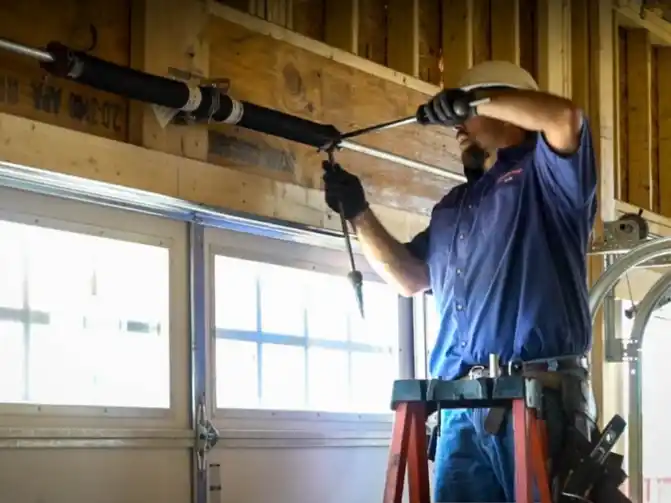
Springs store energy under high tension. A professional setup ensures springs match door weight and height so the door can be balanced and controlled.
Aligned Tracks To Prevent Binding And Vibration
Track alignment affects noise, wear, and stability. A professional aligns tracks so rollers travel smoothly and the door remains centered.
Secured Brackets To Stable Structure
Loose or poorly anchored brackets allow tracks to shift over time. Professional anchoring reduces vibration and helps the system stay aligned.
Opener Settings Are Calibrated After Balance Is Confirmed
A garage door opener should guide movement, not compensate for an unbalanced door. Professionals typically confirm balance first, then finalize travel limits, force settings, and sensor alignment.
Professional Installation Versus Partial System Updates
Some homeowners replace only the door sections while keeping older tracks or an existing opener. Sometimes that can work, but only when compatibility and conditions support it.
When Existing Parts May Be Suitable To Keep
A technician may consider reuse if tracks are the correct gauge, alignment is stable, and wear is minimal. Opener reuse may be considered if it matches door weight, is in stable condition, and safety devices perform correctly.
When Existing Parts Create Reliability Problems
Older tracks can be misaligned, worn, or not designed for the new door’s roller and hinge design. An older opener may not be suited for a heavier door. A professional inspection helps confirm whether reuse supports safe, reliable operation.
What A Professional Installation Day Usually Includes
Professional installation is typically structured and test-driven.
Site Setup And Protection
The work area is cleared and protected. Hardware is staged. Measurements and layout markings are confirmed to support a controlled installation sequence.
Track Installation And Alignment
Tracks are mounted and aligned with careful checks for plumb and level positioning. Brackets are secured into stable framing.
Door Section Installation With Hardware Matching
Sections, hinges, rollers, and reinforcement are installed so the door stays aligned through travel. Hardware selection supports door rigidity and stable movement.
Spring And Cable Setup With Balance Testing
Springs and cables are installed, and tension is set to match the door. Balance testing confirms steady movement and controlled lifting.
Opener Installation Or Reconnection With Safety Verification
The opener is mounted, travel limits are set, sensors are aligned, and the reversal response is tested. These checks confirm safe closing behavior.
Final Walkthrough And System Orientation
A technician demonstrates operation, reviews safety performance, and confirms the door closes evenly and seals properly. Any recommended service intervals can be explained based on use and conditions.
For a broader maintenance schedule that helps homeowners stay organized year-round, NAHB’s routine home maintenance checklist is a helpful reference.
Situations Where Professional Installation Is Strongly Recommended
Some scenarios consistently benefit from professional installation due to higher risk or higher complexity.
Older Garages With Settling Or Structural Variation
Settlement can change opening squareness and framing integrity. A professional can plan mounting and alignment strategies that support stable travel.
High-Use Homes With Multiple Daily Cycles
High use increases wear over time. Professional matching of springs and hardware supports longer part life and more consistent operation.
Coastal Or High-Humidity Areas
Humidity can accelerate corrosion on metal parts and affect sensor stability. Professional installation with correct sealing and hardware selection helps reduce reliability issues.
Areas With High Wind Or Rapid Weather Changes
Wind and weather changes can increase vibration and pressure on door sections. Reinforcement planning and stable anchoring become more important in these conditions.
Common Outcomes When Installation Is Not Done Correctly
These issues often appear after an installation that did not include proper alignment and testing.
Uneven Gaps And Poor Sealing
Uneven gaps can allow drafts and debris into the garage. Poor sealing also affects comfort in spaces adjacent to the garage.
The U.S. Department of Energy notes that air sealing with methods like caulk and weatherstripping can reduce drafts and improve comfort, which is why consistent perimeter sealing and gap control matter during installation.
Noisy Travel And Vibration
Rattling, scraping, and vibration often point to track alignment issues, roller concerns, or mounting instability.
Reversing Or Stopping During Closing
Inconsistent closing can be tied to sensor alignment, travel resistance, or force settings. A professional inspection can confirm the cause and restore stable operation through correct calibration.
Early Wear On Rollers, Hinges, And Cables
Misalignment and imbalance increase wear on moving parts. Over time, this can lead to repeated repair needs and reduced reliability.
Quick Decision Checklist For Homeowners
If you answer “yes” to any of these, professional installation is usually recommended:
- Is your new door insulated, oversized, or heavier than your prior door?
- Is your garage opening older or slightly out of square?
- Do you have limited headroom or ceiling obstructions?
- Are you adding an opener or upgrading safety features?
- Does your current door shake, rub, or close unevenly?
- Are you uncertain whether existing tracks or an opener are compatible?
Summary Table: When Professional Installation Is The Right Choice
| Situation | Why It Matters | Professional Benefit |
| Heavy or insulated door | Higher load under tension | Correct spring and hardware matching |
| Out-of-square opening | Alignment and sealing issues | Track strategy built to fit conditions |
| Limited clearance | Specialized layout may be required | Stable travel without interference |
| Opener installation | Safety calibration required | Verified sensors and reversal response |
| Worn framing | Anchoring strength concerns | Secure mounting and stability checks |
Ready For A Garage Door That Operates Smoothly Every Day
Professional garage door installation is most valuable when door weight, clearance limits, structural condition, or opener requirements create safety and compatibility variables. Accurate measurements, stable anchoring, matched spring tension, and verified safety operation are what separate a reliable setup from one that needs repeated adjustments and repair.
At Rockford Door Company, our technicians focus on careful inspection, correct parts matching, and thorough testing so your system supports steady daily access without unpredictable behavior. If you want help confirming installation needs for your home, contact us or give us a call.