
Garage door installation impacts safety, reliability, and daily access. A garage door is heavy, and its motion is controlled by springs under high tension, cables under load, and tracks that must stay aligned. When installation is accurate, the door travels smoothly and closes consistently. When installation is done poorly, problems may appear immediately or develop over time as vibration, uneven travel, and wear build up.
Homeowners often notice the obvious symptoms first, like loud operation or inconsistent closing. The more serious risks can be hidden, such as weak anchoring, incorrect spring sizing, or misaligned tracks that gradually damage parts. Understanding what can go wrong helps homeowners recognize warning signs early and choose professional inspection when performance changes, before damage becomes more severe.
Why Installation Errors Create Bigger Risks Over Time
A garage door system repeats the same movement thousands of times. Small errors compound with every cycle. A door that rubs slightly, shakes during travel, or closes unevenly can accelerate wear on rollers, hinges, cables, and opener parts. Even if the system “works,” it may be operating under abnormal forces.
To understand the planning steps that reduce these risks before work starts, read What Should Be Checked Before Garage Door Installation Begins?
What Makes Garage Door Risks Different From Other Home Systems
- Springs store energy under high tension
- Cables carry a heavy load during lifting
- Tracks guide motion and must remain aligned
- The opener depends on balanced travel for consistent function
- Safety sensors and reversal response must be verified, not assumed
For a complete overview of what to understand before scheduling installation, read What Should You Know Before Installing a Garage Door?
Spring And Tension Risks
Spring selection and tension setting are among the most safety-critical parts of installation.
If you are unsure when expert handling is the safer option for spring-related variables, read How Do You Know If You Need Professional Garage Door Installation?
Incorrect Spring Sizing
If springs are not matched to door weight and height, the door may:
- Feel heavy during manual travel
- Drift rapidly when partially open
- Move unevenly or “jump” near the floor
- Place excess strain on hinges, rollers, and brackets
Incorrect spring sizing also increases reliance on the opener to compensate, which can reduce reliability and increase service needs.
Angi notes that garage door springs are under extreme tension and mistakes during spring work can create serious safety risks, which is why spring selection and calibration errors are treated as high-priority concerns.
Improper Tension Setting
Tension that is too high or too low changes door behavior. The result may include uneven closing, abrupt movement, or unpredictable reversing when the opener senses resistance. Correct tension supports controlled travel and helps the system stay stable.
Uneven Cable Load Due To Spring Issues
Spring problems often show up as uneven cable tension. This can lead to uneven lifting and can pull the door out of alignment during travel.
Cable, Drum, And Bearing Risks
Cables and drums manage the lifting force. Bearings support the rotation of key shafts. Installation errors in these areas can lead to unstable travel and accelerated wear.
Cable Routing Errors
If cables are routed incorrectly, tension can become uneven. That can cause the door to lift unevenly and shift during travel, increasing wear on tracks and rollers.
Drum Placement And Winding Concerns
Drums guide cable winding. If placement is off, cables may not spool evenly. Over time, this can create inconsistent lifting behavior and stress on parts that were not designed for uneven loads.
Bearing And Shaft Support Issues
If bearings are not installed correctly or if support is inadequate, rotation can become rough. Rough rotation increases vibration and can affect long-term stability.
Track Alignment And Hardware Risks
Track alignment is essential to stable travel. Poor alignment is one of the most common causes of noise, rubbing, and vibration.
Tracks Not Plumb Or Level
When tracks are not aligned correctly, the door may rub, bind, or shake. This can lead to:
- Metal shavings near rollers
- Roller wear and hinge strain
- Door sections are shifting during travel
- Increased noise and vibration
Weak Bracket Anchoring
Tracks and brackets must be anchored to stable framing. If anchors are weak or poorly positioned, tracks can shift over time. Track shifting can cause travel instability and may lead to repeated service needs.
Incorrect Track Spacing
If track spacing is incorrect, the door can become pinched or loose within the track path. This increases wear and can lead to unpredictable movement.
Misaligned Panel Stacking
Even when tracks are aligned, panel alignment can be off if hardware placement is incorrect. Misaligned panels can create uneven gaps, reduced sealing, and increased vibration.
Opener Strain And Safety System Risks
A garage door opener performs best when the door is balanced and aligned. When the door is not balanced, the opener is forced to compensate.
Excess Strain On The Opener
If the door is heavy or travel is uneven, the opener may:
- Stop mid-cycle
- Reverse unexpectedly
- Become noisier over time
- Experience faster internal wear
This is a reliability risk and can lead to access problems during daily use.
Sensor Misalignment Or Poor Placement
If sensors are not aligned or are placed where they can be blocked easily, the door may fail to close consistently. This can create security concerns and daily frustration.
Incorrect Travel Limits And Force Settings
Travel limits and force settings must be calibrated after the balance is confirmed. If they are incorrect, the door may not close fully or may apply excess force at the floor, reducing part life and increasing safety concerns.
Sealing And Intrusion Risks
Poor installation can affect how the door seals, even when the door itself is high-quality.
Uneven Perimeter Gaps
Gaps at the sides, top, or bottom allow drafts, debris, and water intrusion. Over time, this can:
- Increase moisture exposure inside the garage
- Accelerated corrosion on metal parts
- Reduce comfort near adjacent rooms
- Wear out the bottom seals faster
Bottom Seal Not Sitting Evenly
If the door does not meet the floor evenly, the bottom seal can compress unevenly and fail to block water or debris consistently.
Structural And Property Damage Risks
Installation errors can create risks beyond the door system itself.
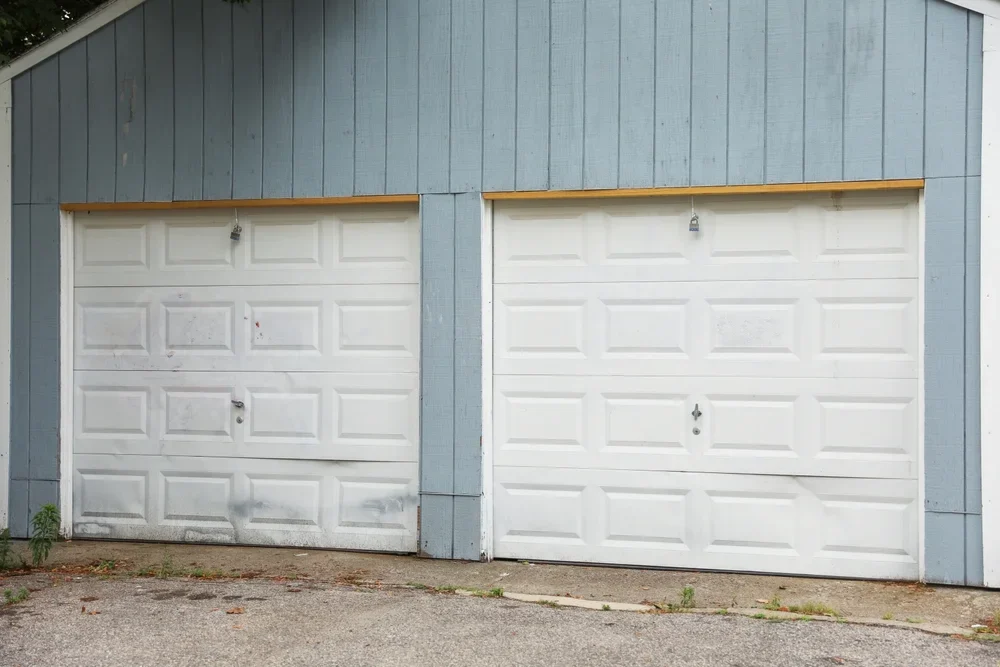
Damage To Door Sections And Hardware
Misalignment can cause repeated rubbing that damages sections, paint finishes, or protective coatings. Over time, hinges and rollers can wear quickly.
Damage To Framing And Mounting Surfaces
Poor anchoring can lead to bracket movement that enlarges fastener holes or cracks wood around attachment points. This reduces long-term stability and can require additional structural work later.
Increased Vibration Through The Garage
Vibration can affect ceiling mounts, opener stability, and even nearby storage. This can create ongoing noise concerns and reduce reliability.
Warning Signs Homeowners Should Not Ignore
These symptoms often indicate that installation alignment, balance, or safety calibration is not correct.
Door Shakes Or Rattles During Travel
Shaking or rattling often points to track alignment concerns, loose brackets, or roller wear. Professional inspection can identify whether the issue is alignment, anchoring, or part condition.
Rubbing Or Scraping Sounds
Rubbing or scraping can indicate track misalignment or incorrect spacing. Continued operation under these conditions can accelerate wear and lead to damaged parts.
Uneven Gaps Along The Door Edges
Uneven gaps can indicate out-of-square opening challenges or alignment concerns. Gaps can also reduce sealing and increase intrusion.
Reversing Or Inconsistent Closing
Inconsistent closing can be tied to sensor alignment, force settings, travel resistance, or a door that is not balanced. Professional inspection helps identify the root cause.
Door Feels Heavy During Manual Travel
A heavy feel may indicate spring mismatch or tension concerns. This can lead to overstrain and reduced reliability if not addressed.
Forbes Home’s overview of common garage door problems connects symptoms like noisy operation and movement issues to underlying mechanical concerns, supporting early inspection when rubbing or scraping appears.
Common Installation Errors And Their Outcomes
| Installation Issue | Typical Symptom | Longer-Term Risk |
| Spring mismatch | Heavy feel, drift | Opener strain, part wear |
| Track misalignment | Rubbing, shaking | Roller and hinge damage |
| Weak anchoring | Vibration, shifting | Track drift and instability |
| Sensor placement issues | Inconsistent closing | Reliability and security concerns |
| Poor sealing fit | Drafts, intrusion | Moisture exposure, corrosion |
How Professional Inspection Helps Reduce Risk
Professional inspection focuses on confirming balance, alignment, and safety performance. A technician can verify whether parts are matched correctly and whether the system is operating under normal forces.
What A Technician Typically Verifies
- Door balance and controlled manual travel
- Track alignment and bracket stability
- Cable routing and even tension
- Spring matches the door weight and height
- Opener settings, sensor alignment, and reversal response
- Sealing consistency along the perimeter
What To Expect If Problems Are Found
If an inspection identifies installation concerns, recommendations usually focus on correcting alignment, restoring balance, and verifying safe operation. The scope may vary based on how long the system has been operating under abnormal conditions and whether parts are already worn or damaged.
Stop Small Issues Before They Turn Into Bigger Door Problems
When garage door installation goes wrong, risks often build over time through vibration, misalignment, and imbalance. Spring mismatch, track drift, weak anchoring, and incorrect opener calibration can lead to unreliable closing, increased wear on parts, and safety concerns that are not always obvious at first. Recognizing warning signs early helps homeowners schedule a professional inspection before damage becomes more severe.
At Rockford Door Company, our technicians evaluate installation-related concerns by checking balance, alignment, anchoring stability, and safety system performance. If your door is shaking, rubbing, closing inconsistently, or creating new noise, contact us or give us a call.
Frequently Asked Questions