
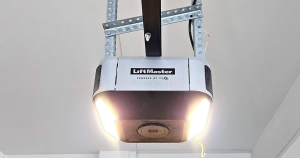
When a LiftMaster garage door opener is not working, the lights are not just “blinking.” They are the opener’s way of telling you what safety input or operating problem it is seeing. In Rockford, IL, where garages deal with wind, grit, temperature swings, and power flickers, those signals can show up more often than homeowners expect.
The hard part is that light behavior can feel confusing in the moment. One day, the opener closes normally. The next day, it flashes, reverses, or refuses to close. Instead of guessing, the goal is to read the pattern, match it to the most likely category, and then do only the safe checks that help confirm what is happening.
This guide explains what LiftMaster opener lights commonly indicate, what you can safely verify without risky repairs, and when the light pattern is really the opener reacting to door strain or a developing hardware issue.
Quick Answer
LiftMaster light patterns usually point to one of four categories: power and logic events, sensor interruption, resistance during travel, or control and communication issues that may require garage door installation adjustments or professional service. If the door reverses, stops at the same point, or sounds rough, the lights often reflect resistance that the opener is sensing, which can indicate a need for garage door installation correction or related mechanical service. If the wall control works but the remotes do not, the lights often reflect a control-path issue. If the unit seems unresponsive, the light patterns help confirm a power category problem.
If you need the safest step-by-step order for checking a LiftMaster garage door opener not working scenario, read LiftMaster Garage Opener Not Working? Simple Troubleshooting
Why LiftMaster Uses Light Signals
Modern openers are designed to prioritize safety. If a sensor beam is interrupted, if resistance rises, or if the system detects abnormal behavior, the opener may stop, reverse, or refuse to close.
What The Opener Is Trying To Communicate
- “I do not have stable power, or I reset unexpectedly.”
- “My safety sensors are not reading a clear beam.”
- “I sensed resistance while moving the door.”
- “I am receiving a command issue from the control devices.”
- “Something changed in travel that could be unsafe.”
Start With The Most Helpful Context Clues
Before you interpret lights, take ten seconds to note what else is happening. These clues prevent wrong assumptions.
Door Movement Clues
- Does the door start down, then reverse?
- Does it stop at the same spot every time?
- Does it sound louder, shakier, or harsher than normal?
- Does it close only when holding the wall button?
Control Clues
- Does the wall control work?
- Do remotes work sometimes?
- Does the keypad light up and respond?
- Did the issue begin after a storm or a power flicker?
Those observations help you decide whether to focus on sensors, controls, power, or door resistance.
For a homeowner-friendly overview of garage doors and openers, including common safety concerns and failure patterns, InterNACHI’s explainer is a solid reference.
Power And Logic Light Patterns
If the opener appears unresponsive or only partially operational, begin by verifying the power supply and related electrical conditions.
What Power Category Problems Often Look Like
- No lights on the motor unit
- The lights flicker unexpectedly
- The opener “comes back” after a reset, then fails again later
- Behavior changed right after a storm
Safe Checks That Help Confirm Power Category Issues
- Confirm the opener is plugged in firmly at the ceiling outlet.
- Check if the garage circuit is protected by a GFCI and whether it tripped.
- Check the breaker panel for a tripped breaker.
Sensor-Related Light Behavior
Safety sensors are one of the biggest reasons a LiftMaster won’t close. The sensors are low to the ground, which makes them vulnerable to dust, grit, and accidental bumps.
What Sensor Trouble Often Looks Like
- The door starts closing, then reverses.
- The opener’s lights flash during the closing attempt.
- The door may close only when holding the wall button down.
Why Sensors Fail More Often Than People Think
- Lens film you cannot see easily (fine dust, salt residue)
- Small misalignment from vibration or a bumped bracket
- Low sun glare at certain times of day
- Storage items or tools blocking the beam path
Safe Checks That Help Confirm Sensor Category Issues
- Check for visible obstructions near the sensor line.
- Check for a dirty or hazy lens surface.
- Notice if the problem happens at the same time each day (sun glare clue).
Resistance-Related Light Behavior
This category is the most misunderstood. When resistance rises, the opener may flash lights, reverse, stop mid-travel, or behave inconsistently.
Common Resistance Causes In Real Service Calls
- Grit in the track zone near the floor
- Worn rollers or hinges create a bind point
- A door section is rubbing at a seam
- Bottom seal is dragging heavily on the floor
- A door that is drifting out of balance
How Resistance Patterns Usually Behave
- The door stops or reverses at the same spot.
- The opener sounds like it is straining more than usual.
- The door shakes, shudders, or travels unevenly.
Safe Checks That Help Confirm Resistance Category Issues
- Watch the door travel from a safe distance and note where it stops.
- Listen for scraping, grinding, or a sudden change in tone.
- Look for obvious debris near the track floor area.
If the door feels heavy or uneven, read When To Stop Using A LiftMaster Opener Immediately to understand why continued use can cause damaged parts or an unsafe event.
Wall Control And Remote Signal Light Behavior
Some light patterns are tied more to control signals than to door movement. This is where homeowners often assume the opener “failed,” when the door system is fine.
Common Control-Path Scenarios
- The wall button works, but the remotes and the keypad do not.
- One remote works, another does not.
- The remote range suddenly becomes very short.
What Usually Causes This
- Weak remote batteries
- Pairing or memory issues
- Lock mode is enabled at the wall control
- Interference from devices or lighting
Safe Checks That Help Confirm Control Category Issues
- Try the wall control first. If it works consistently, power is likely present.
- Note whether only one remote is affected or all remotes are affected.
- Look for a lock icon or lock behavior on the wall control.
If the wall control works but remotes fail, read Why Your LiftMaster Opener Suddenly Stops Responding to understand what that pattern typically points to.
Learn Button And Programming Light Clues
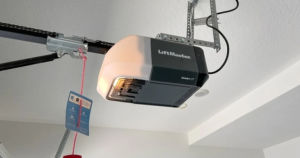
Many LiftMaster units have a learn button and indicator behavior tied to programming. Homeowners often trigger these states accidentally while cleaning, moving items, or checking the unit.
How This Usually Shows Up
- Remotes that worked now do nothing
- The opener seems to “forget” a keypad code
- Behavior changed after someone pressed a button on the motor unit
What Beeping Or Wall Control Indicators Can Mean
Some LiftMaster setups include wall controls that beep or show indicator behavior. While exact meanings vary by model, the general categories still apply.
Beeping Often Points To
- A control alert (lock mode or control state)
- A safety alert after repeated closure failures
- A battery backup status change on certain systems
How Rockford Conditions Can Trigger Garage Door Repair Concerns
Local environmental factors can cause a properly functioning system to behave inconsistently, sometimes creating what feel like “false error” moments that resemble a garage door repair issue.
Common Rockford Triggers
- Slush and salt residue are building up near the sensor line
- Wind is pushing against the door during travel
- Moisture leading to dirt film on lenses
- Power flickers during storms
- Garages used as storage zones with items shifting into sensor paths
Repair Vs Replacement: When Lights Keep Returning
If light patterns and symptoms keep coming back, homeowners often ask whether they need a LiftMaster garage door opener replacement. Here is a practical way to think about it without guessing.
When Repair Is More Likely To Make Sense
- The door moves smoothly and evenly, and issues are isolated to sensors or controls.
- The opener responds consistently once the category issue is addressed.
- Symptoms are clearly tied to a specific trigger (like sensor blockage).
When Replacement Becomes More Likely
- The opener becomes intermittent even with stable power.
- Light patterns and failures stack across multiple categories.
- The opener strains even when the door is confirmed smooth.
- The system becomes unreliable after repeated power events.

Prevention Habits That Reduce Repeat Light Errors
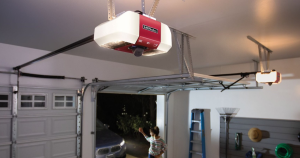
You do not need to “tune” the opener weekly. Most prevention is about keeping safety inputs clean and keeping resistance low.
Simple Habits That Help In Rockford
- Keep the sensor area clean during salt season.
- Keep the track floor area clear of grit buildup.
- Avoid storing items where they can shift into the sensor path.
- Pay attention to new noises and vibrations as an early warning.
- After storms, confirm operation before a rushed morning.
For a straightforward routine home maintenance reference that supports prevention-minded checks, NAHB’s maintenance resource is a reliable add-on.
A Smarter Way to Solve LiftMaster Opener Problems
If your LiftMaster garage door opener is not working and the lights keep flashing in repeat patterns, the safest next step is a full system evaluation that checks sensors, door movement, track alignment, and opener response together. Rockford Door Company can identify the real cause behind recurring signal patterns and recommend the right next step, whether that is targeted LiftMaster garage door opener repair, a reliability-focused LiftMaster garage door opener replacement plan, or correcting issues tied to LiftMaster garage door opener installation fit. Contact us or give us a call.