
A garage door that suddenly stops working is more than just an inconvenience. In most cases, a broken spring is the reason behind it. Springs carry the full weight of the door, and when one snaps or wears out, everything comes to a halt. Getting broken garage door spring repair handled quickly is the key to avoiding bigger, more expensive problems down the line.
This guide covers the most common signs of a broken garage door spring, what causes them to fail, and what homeowners in Rockford, IL should do to stay safe and get their doors working again.
What Is a Garage Door Spring and Why Does It Matter?
Garage door springs are the primary mechanical component that counterbalances the weight of the door. Without functioning springs, the door is essentially dead weight, sometimes weighing between 150 to 400 pounds depending on the material and size.
There are two types of springs found on residential garage doors:
- Torsion Springs sit horizontally above the door opening and wind up to store mechanical energy. These are more common on heavier doors and tend to last longer.
- Extension Springs run along the sides of the door tracks and stretch to create tension. They are typically found on lighter doors and older garage door systems.
Both types are under extreme tension at all times. When either one fails, it can happen suddenly and without much warning, which is exactly why knowing the signs early can prevent a dangerous situation.
For a closer look at what failure actually looks like, check out Signs of a Broken Garage Door Spring (And What Not to Do) for a practical breakdown every homeowner should read before it becomes a bigger problem.
7 Signs Your Garage Door Spring Is Broken
1. The Garage Door Won’t Open at All
This is the most obvious and most common sign. If the garage door opener hums or clicks but the door does not move, a broken spring is almost always the cause. The motor simply cannot lift the weight of the door without the spring doing its part.
What to check: Try lifting the door manually after disconnecting the opener. A properly functioning door with intact springs should lift with minimal effort. If it feels extremely heavy or won’t budge, the spring is likely broken or worn.
Tip: Never force the door open manually if a spring is broken. This puts dangerous stress on the opener and the cables.
Not sure if this counts as an urgent situation? Read Is a Broken Garage Door Spring an Emergency? to understand when to act right away and what risks come with waiting.
2. The Door Moves Unevenly or Jerks While Opening
A door that wobbles, tilts to one side, or opens in a jerky motion is a red flag. This is especially common when only one extension spring has broken on a two-spring system. The door loses its balance and strains against the working spring on the opposite side.
What to check: Watch the door from a safe distance as it opens. If one side rises faster than the other or if the door shakes abnormally, this points to spring failure or a cable that has slipped off the drum.
Tip: An unbalanced door accelerates wear on the opener motor, rollers, and tracks. Addressing it quickly prevents more costly repairs.
Curious about why this happens in the first place? What Causes a Broken Garage Door Spring? digs into the root causes behind uneven wear and early spring failure.
3. There’s a Loud Bang or Pop Coming From the Garage
Many Rockford homeowners describe hearing a loud bang inside the garage, similar to a firecracker or a car backfiring. That sound is often the exact moment a torsion spring snaps under tension.
This commonly happens overnight or early in the morning when the metal contracts due to cold temperatures, which is very relevant given the harsh winters Rockford, IL experiences regularly.
What to check: After hearing that sound, look above the garage door opening. A broken torsion spring will often show a visible gap in the middle of the spring coil where it separated.
Tip: Cold weather significantly shortens the life of garage door springs. Illinois winters, with temperatures frequently dropping below freezing, accelerate metal fatigue faster than in warmer climates.
4. The Top Section of the Door Bends or Bows Inward
When a spring fails and the opener still tries to pull the door open using the cables, the top panel of the door absorbs the stress. This causes the top section to bend or bow inward, creating visible damage to the door panels themselves.
What to check: Look at the top panel of the door when it is in the closed position. If it appears warped, curved inward, or visibly bent near the corner brackets, spring failure combined with opener strain is likely the cause.
Tip: If the door opener has safety reverse sensors properly calibrated, it may stop before causing this kind of damage. Checking those sensors regularly is a simple but valuable preventive step.
5. Cables Are Hanging Loose or Appear Off the Drum
Garage door cables work in conjunction with the springs. When a spring breaks, the cables lose tension and can slip off the drum or hang loosely alongside the door tracks. Loose cables are a secondary symptom, but they confirm that the spring system has failed.
What to check: Look at both sides of the door near the bottom corners and follow the cables upward. If a cable is slack, twisted, or has completely come off its pulley or drum, do not attempt to rewind it without first addressing the spring.
Tip: Cables under load are just as dangerous as springs. Never attempt to replace or reposition cables on a door with broken springs unless professionally trained.
6. The Door Opens Only a Few Inches Then Stops
Modern garage door openers have a built-in safety feature that detects resistance and stops the door from continuing. When a spring is broken, the opener senses the extreme weight as resistance and automatically reverses or stops the door after opening just a few inches.
What to check: If the door opens 6 inches or less and then reverses, disconnect the opener and try lifting manually. Check the opener’s force settings, but if the door still feels impossibly heavy by hand, the issue is mechanical, not electronic.
Tip: Regularly testing the manual lift function of the garage door is a good habit. A well-balanced door should lift smoothly with one hand when disconnected from the opener.
7. Visible Wear, Rust, or a Gap in the Spring
Sometimes the spring has not fully snapped yet but is showing clear signs it is close to failing. Visible rust, uneven coil spacing, stretched-out sections, or a small gap forming in the middle of the spring are all warning signs that should never be ignored.
What to check: With the door fully closed and the opener unplugged, visually inspect the torsion spring above the door or the extension springs along the side tracks. Look for rust buildup, frayed sections, or any part of the spring that looks different from the rest.
Tip: Lubricating springs two to three times per year with a proper garage door lubricant, not WD-40, can significantly extend their lifespan and reduce rust formation, especially in areas like Rockford where humidity and temperature swings are common.
What Causes Garage Door Springs to Break?
Understanding why springs fail helps prevent the problem from repeating. The most common causes include:
- General Wear and Tear: Most residential garage door springs are rated for 10,000 cycles. One cycle equals one open and one close. For a household that uses the garage door four times per day, that equals roughly seven years before the spring reaches the end of its rated lifespan.
- Cold Weather and Temperature Fluctuations: Rockford, IL sits in a climate zone where winter temperatures regularly drop well below freezing. Metal contracts in cold weather, and repeated expansion and contraction cycles cause micro-fractures in the coils over time.
- Rust and Corrosion: Rust increases friction on the coils and weakens the metal itself. Springs in humid or salt-exposed environments, like garages near roads that get treated with road salt during Rockford winters, are especially vulnerable.
- Poor or Missing Maintenance: Springs that never get lubricated or inspected deteriorate much faster. Rust and friction are the primary villains, and both are preventable with basic maintenance.
- Incorrect Spring Sizing: A spring that is not matched to the weight of the door wears out faster. This often happens after a door replacement where the original springs were left in place.
Is It Safe to Use a Garage Door With a Broken Spring?
The short answer: no. Using a garage door with a broken spring puts serious stress on the opener motor, frays the cables, and creates a real risk of the door dropping unexpectedly. A 200-pound door falling without proper spring tension can damage vehicles, property, or cause serious injury.
In Rockford homes where the garage is also a main entry point to the house, a broken spring can also become a security issue if the door cannot close fully or lock properly.
What Should Rockford Homeowners Do Next?
- Stop using the door immediately. Disconnect the opener and leave the door in the closed position until a professional can assess it.
- Do not attempt a DIY spring replacement. Garage door springs are under extreme tension. Even releasing that tension incorrectly can cause the spring to snap and result in serious injury. This is a job for licensed garage door technicians.
- Schedule a professional inspection. A qualified technician will not only replace the broken spring but also check the cables, drums, opener settings, and the balance of the entire door system.
- Ask about spring upgrades. Standard springs are rated for 10,000 cycles. High-cycle springs are available and rated for 25,000 to 100,000 cycles, which makes them a smart long-term investment, especially for households with heavy daily use.
- Budget for the repair. Spring replacement is one of the more affordable garage door repairs. The average cost for torsion spring replacement typically ranges from moderate to mid-range depending on the number of springs and the service provider. Always get a written estimate before any work begins.
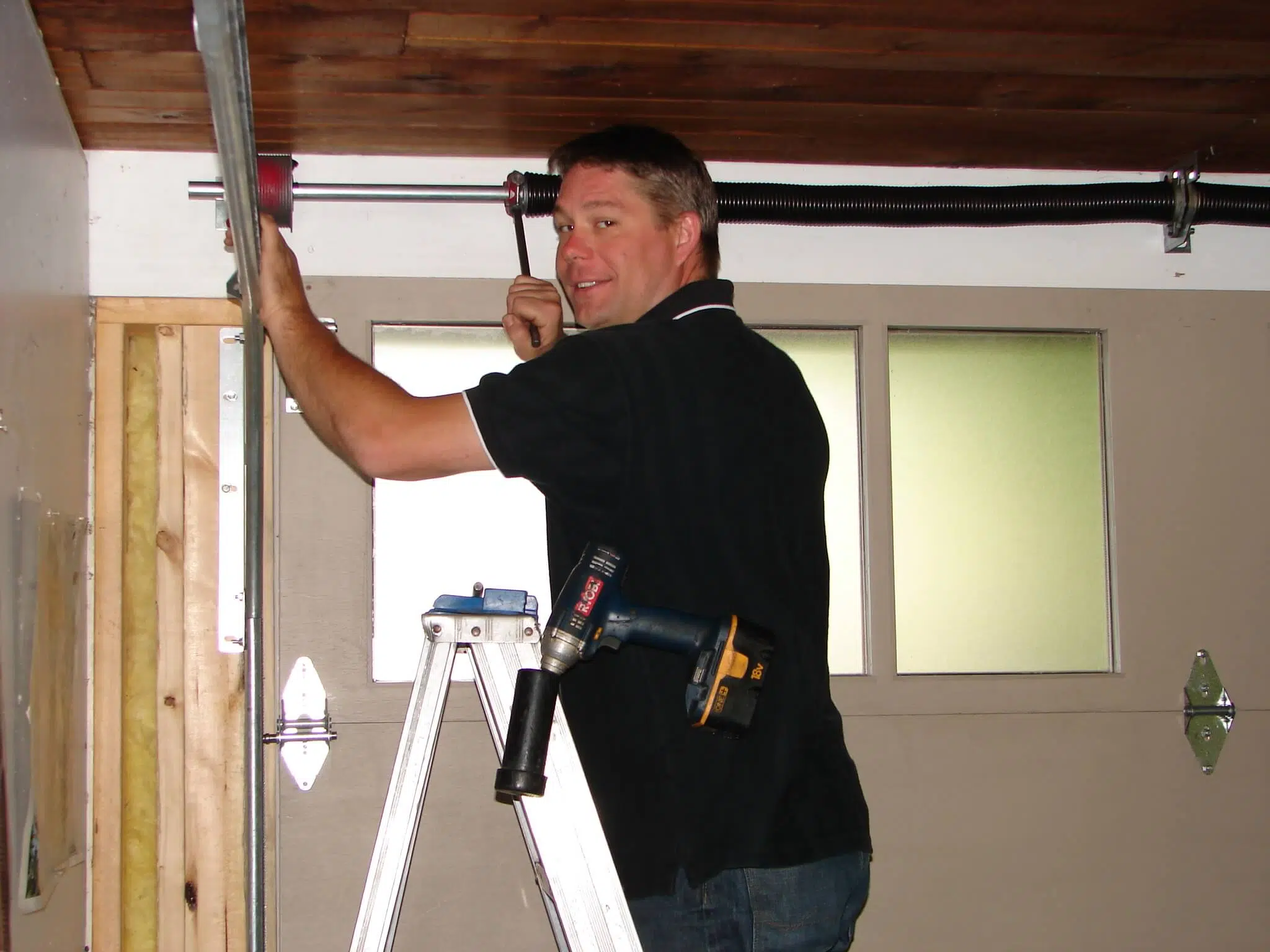
Preventive Tips to Extend the Life of Garage Door Springs
- Lubricate springs and moving parts every three to four months using a silicone-based or lithium-grease spray designed for garage doors
- Test door balance twice a year by disconnecting the opener and lifting manually
- Listen for unusual sounds like squeaking, grinding, or popping during operation
- Schedule a professional tune-up annually, especially before Rockford winters set in
- Replace both springs at the same time, even if only one is broken, since the second spring is under the same wear
- When in doubt, call a trusted local garage door repair professional rather than letting a minor issue turn into a full system failure
Ready To Get Your Garage Door Fixed the Right Way?
Rockford Door Company has been serving the Rockford, IL area with honest, reliable garage door repair that homeowners trust. From single spring replacements to full system inspections, the work gets done safely, efficiently, and without the runaround. Do not wait for a small problem to turn into a costly one. Contact us today or give us a call to schedule a service appointment.