
A garage door that suddenly refuses to open is one of those frustrating moments no Rockford homeowner wants to deal with, especially in the middle of a brutal Illinois winter. More often than not, a broken garage door spring is the culprit.
Garage door springs do most of the heavy lifting, literally. They counterbalance the weight of the door so the opener motor does not strain and so the door moves smoothly every time. When a spring snaps, the entire system is thrown off, and the door either becomes extremely heavy or stops working altogether.
This guide breaks down the real reasons garage door springs fail, what warning signs to watch for, and how Rockford homeowners can extend the life of their springs before a small issue turns into a costly broken garage door spring repair.
What Is a Garage Door Spring and Why Does It Matter?
Garage door springs are high-tension components that store mechanical energy to help lift and lower the door. There are two main types:
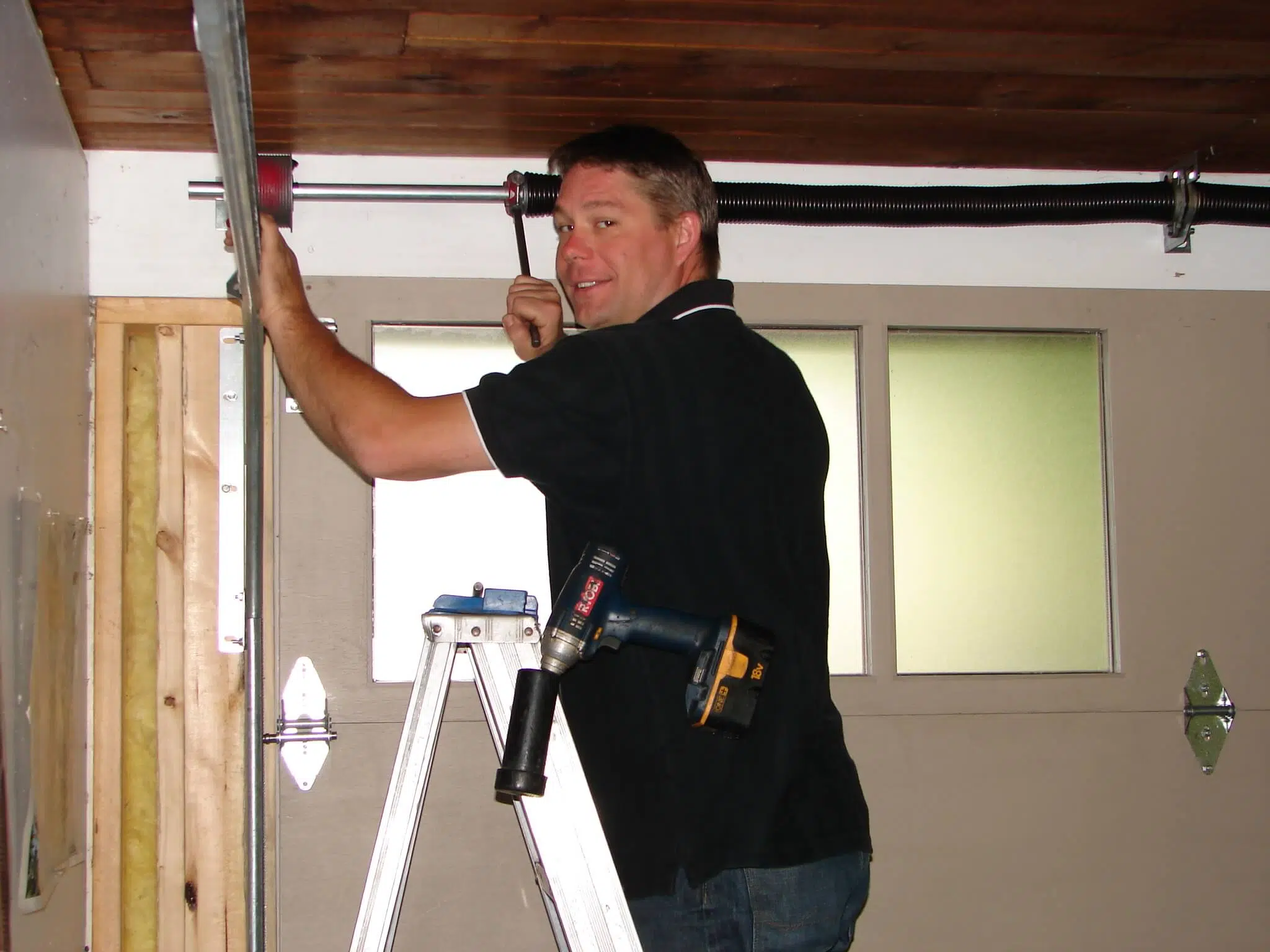
- Torsion Springs sit above the garage door horizontally on a metal shaft. They twist and unwind to generate torque. Most modern homes in Rockford use torsion springs because they last longer and offer more controlled movement.
- Extension Springs run along the horizontal tracks on each side of the door. They stretch and contract with each cycle. These are common in older garage systems and are generally considered less durable than torsion springs.
Both types are rated by cycle life. A standard spring typically lasts around 10,000 cycles. At two door uses per day, that is roughly 13 to 14 years. However, in Rockford, environmental factors can cut that lifespan significantly shorter.
Already noticing something off with your springs? Check out Signs of a Broken Garage Door Spring (And What Not to Do) to know exactly what to look for and what to avoid.
Top Causes of a Broken Garage Door Spring
1. Normal Wear and Tear
The most common reason a garage door spring breaks is simply age and use. Every time the door opens or closes, the spring completes one cycle. Over thousands of cycles, the metal experiences stress that gradually weakens the coil until it eventually snaps.
This is not a defect or a sign that something was done wrong. It is the natural end of a spring’s lifespan. The key is knowing when that lifespan is approaching so it can be replaced proactively rather than reactively.
What to check: If the garage door springs are more than 7 to 10 years old, schedule an inspection. Do not wait for the snap.
Wondering if a snapped spring needs immediate attention? Is a Broken Garage Door Spring an Emergency? breaks down exactly what to do when it happens.
2. Rust and Corrosion
Rockford, IL sees serious weather swings, from humid summers to salt-heavy winters. That combination is a worst-case scenario for metal components. Moisture causes rust to form on the spring coils, and that rust increases friction every time the spring moves. Over time, the coils weaken and become brittle, leading to premature breakage.
Road salt is particularly damaging. If the garage is attached to the home and a vehicle is parked inside regularly, the salt and slush tracked in off Rockford roads accelerates corrosion significantly.
Prevention tip: Apply a silicone-based or lithium-based lubricant to the springs every three to six months. Avoid WD-40, which can actually attract moisture and worsen rust over time.
Not sure if rust has already done the damage? How Do You Know If Your Garage Door Spring Is Broken? covers every telltale sign to check right now.
3. Poor Maintenance
Most homeowners in Rockford never think about their garage door until something breaks. That lack of attention is one of the leading contributors to premature spring failure.
Springs that are not lubricated create more friction. Doors that are out of balance put uneven stress on one spring. Cables that are fraying or hardware that is loose all force the springs to work harder than they should.
Regular maintenance is the single best investment a homeowner can make in the long-term performance of a garage door system.
Maintenance checklist:
- Lubricate springs, hinges, and rollers every 3 to 6 months
- Test door balance by disconnecting the opener and lifting the door manually to waist height; it should stay in place
- Inspect cables for fraying or kinking
- Tighten loose bolts and brackets
- Listen for grinding, squeaking, or popping sounds
4. Incorrect Spring Size or Installation
Not every spring fits every door. Garage door springs are sized based on the weight, height, and width of the door. When the wrong spring size is installed, or when springs are installed without proper tension calibration, the system is set up to fail early.
This is a common issue when homeowners attempt a DIY spring replacement or when a cut-rate technician installs mismatched components. An undersized spring compensates by working harder, which accelerates wear dramatically.
What this means for Rockford homeowners: Always use a licensed garage door technician for spring installation. Verify they assess the door’s weight and specifications before selecting replacement parts.
5. Extreme Temperature Changes
Few places in northern Illinois know temperature swings like Rockford. The city regularly experiences sub-zero wind chills in January and temperatures climbing into the 90s in July. Metal contracts in the cold and expands in heat. That constant expansion and contraction stresses the spring coils, especially in older springs already weakened by cycles and rust.
Cold weather is particularly hard on springs. A spring that is barely holding on through autumn may snap on the first truly cold morning of the season because the metal becomes more brittle at low temperatures.
Prevention tip: Insulate the garage when possible. Even basic weatherstripping and door insulation panels help moderate temperature extremes and reduce the stress on metal hardware.
6. Snapped Cables Putting Extra Load on Springs
Garage door cables and springs work as a team. When a cable frays or snaps, the spring must suddenly handle load it was not designed to carry alone. That sudden stress spike can cause an otherwise healthy spring to fail ahead of schedule.
Frayed cables are visible on close inspection. Look for individual wire strands breaking apart near the drum or anchor point. If a cable looks worn, replacing it promptly protects the spring from taking on extra strain.
7. Low-Quality Springs
Budget replacements are common in the garage door industry. Some contractors use springs with lower cycle ratings to reduce costs on service calls. A standard spring lasts around 10,000 cycles. Higher-quality springs are available at 25,000 to 50,000 cycles, but they are more expensive upfront.
Homeowners who bought a new garage door from a big-box store or chose the lowest-bid installer may unknowingly have low-cycle springs on their door right now.
What to ask: When scheduling a spring replacement or a new door installation in Rockford, ask the technician specifically what cycle rating the springs carry. Higher-cycle springs cost more upfront but last significantly longer and offer better value over time.
Warning Signs a Spring Is About to Break
Catching a failing spring before it fully snaps saves time, money, and the headache of being stuck with a non-functional door. Watch for these signs:
- The door looks crooked or uneven when opening or closing, suggesting one spring has more tension than the other
- A loud bang from the garage, similar to a firecracker going off, often signals a spring has just snapped
- The opener struggles or strains, running louder than usual
- Visible gaps in the spring coil, meaning the spring has already broken
- The door falls faster than normal when closing
- The top section of the door bends or buckles under the stress of trying to lift the door with a failing spring
Any of these signs warrant a call to a garage door professional right away.
What Rockford Homeowners Should Do When a Spring Breaks
- Stop using the garage door immediately. Operating a door with a broken spring puts excessive strain on the opener motor and can damage cables, drums, and the door panels themselves.
- Do not attempt a DIY repair. Garage door springs are under extreme tension, enough to cause serious injury if handled improperly. Spring replacement is one of the most dangerous DIY home repairs and should always be handled by a trained technician.
- Call a licensed Rockford garage door technician. A professional will assess whether one or both springs need replacement, inspect related components like cables and drums, and recalibrate the system to ensure proper balance.
The average cost of a spring replacement in the Rockford area falls within a moderate range depending on spring type, quantity, and any additional repairs needed. Replacing both springs at the same time, even if only one has broken, is a widely recommended practice because if one spring has reached the end of its life, the other is not far behind.
How to Extend the Life of Garage Door Springs in Rockford
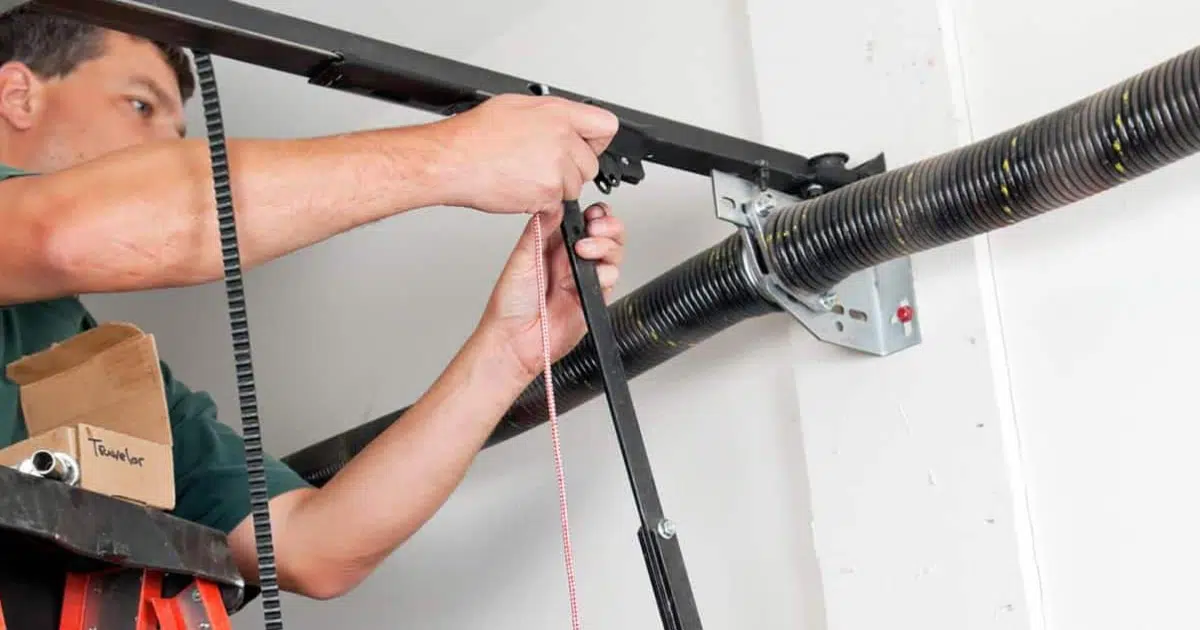
- Lubricate regularly. Every three to six months, apply a silicone or lithium-based spray to the spring coils. This reduces friction and slows rust formation.
- Test door balance twice a year. Disconnect the automatic opener, lift the door manually to about waist height, and release it. A properly balanced door stays in place. A door that drops or rises on its own is out of balance and is putting uneven stress on the springs.
- Upgrade to high-cycle springs. When the time comes for a replacement, invest in springs rated for 25,000 cycles or more. The average cost difference is worth the extended service life.
- Insulate and weatherproof the garage. Reducing temperature extremes inside the garage protects metal components from the stress of Rockford’s climate.
- Schedule annual professional inspections. A trained technician can identify wear and tension issues long before they cause a failure. Staying on top of these steps is the most effective way to avoid an unexpected garage door repair down the road.
Trusted Local Help Is Just a Call Away
When a garage door spring breaks, having a reliable local team makes all the difference. Rockford Door Company serves homeowners across the Rockford area with honest, professional repairs and the local knowledge that northern Illinois winters demand. Contact us today or give us a call to schedule an inspection and keep your garage door running safely all year long.