
A LiftMaster garage door opener can act up for simple reasons, but there are moments when continuing to test it is the wrong move. In those situations, the safest decision is to stop using the opener immediately and schedule service. This is not about being dramatic. It is about preventing a small issue from turning into a damaged door, a failed spring or cable event, or a door that comes off track at the worst possible time.
In Rockford, IL, these urgent stop signs can show up more often during storm season, freeze-thaw weeks, and periods when road grit and salt build up in the track zone. Homeowners often try to “get it to work one more time,” especially when they need to leave for work. That is exactly when a strained system can escalate.
Quick Answer
Stop using a LiftMaster opener immediately if the garage door looks crooked, you hear harsh grinding or banging, you smell heat or burning near the motor unit, the opener hums without moving the door, the door reverses repeatedly with shaking or strain sounds, or you see frayed cables or loose hardware near the spring system. These signs often point to mechanical strain, improper garage door installation, or conditions that require prompt garage door repair. Continued operation under these circumstances can increase damage risk and create unsafe operating conditions.
If you want the safe troubleshooting order for non-urgent problems, read LiftMaster Garage Opener Not Working? Simple Troubleshooting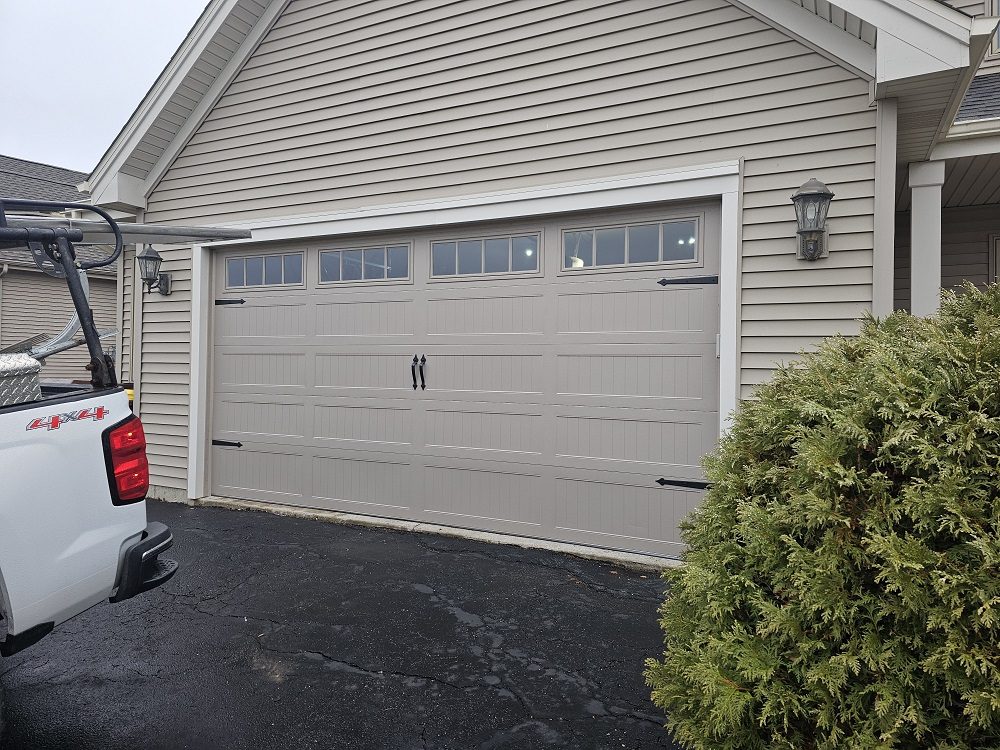
Why Repeated Testing Can Worsen Garage Door Repair Issues
Garage door systems are designed to run smoothly with balanced lift support from springs. The opener is not meant to carry the full weight of the door. When the door becomes heavy, uneven, or binding, the opener can strain, and safety systems can trigger reversals. That is often the moment homeowners start pressing buttons repeatedly.
Repeated cycles can:
- Increase wear on rollers, hinges, and opener drive parts
- Pull a door further out of alignment if a track or cable issue is developing
- Overheat a motor that is already working under load
- Turn a minor friction point into a hard bind
If you notice any of these warning signs, one of the most responsible safety steps is to stop operating the system and shift into a careful inspection process. Continuing to test the opener can compound damage and lead to more extensive garage door repair needs.
Stop If The Door Looks Crooked Or Uneven
A crooked door is one of the clearest stop signs. It often means the lift system is not supporting the door evenly.
What Crooked Looks Like
- One side of the door is higher than the other
- The door looks twisted in the opening
- The rollers on one side look tighter or pulled
- The door appears to rub the track hard on one side
Stop If You Hear Grinding, Banging, Or Metal-On-Metal Sounds
A garage door has normal operating sound, but harsh noise changes are a warning.
Sounds That Are Not Normal
- Grinding that sounds like metal rubbing hard
- Banging or popping noises during travel
- Sharp screeching paired with shaking
- Repeated clunks at the same point in travel
What These Sounds Often Mean
These patterns often point to:
- A roller or hinge is wearing into a bind
- Track misalignment or a dented track area
- A door section is rubbing during travel
- Loose hardware shifting under load
Stop If You Smell Heat Or Burning Near The Motor Unit
Any heat odor near the opener is a stop sign. It can indicate the motor is overheating or internal electrical parts are under stress.
What Heat Odor Can Indicate
- A motor working under a heavy load
- Internal electrical wear
- A strained drive system
- Repeat resistance events, causing overwork
Stop If The Opener Hums But The Door Does Not Move
A hum without movement is a strong warning. It often means the opener is trying to run but cannot move the load safely.
Common Causes
- The door is stuck at the bottom seal line
- The door is too heavy due to balance issues
- The door is binding in the track zone
- The opener drive system is slipping or strained
Stop If Reversals Repeat With Shaking Or Strain
One reverse does not always mean a crisis. Repeated reversals with shaking or harsh strain sound is a different story.
Why The Pattern Matters
A reversal is the opener reacting to a safety input. If the pattern repeats, the cause is persistent.
What Persistent Reversals Often Point To
- Sensor interruption that returns due to a loose bracket or glare pattern
- A resistance point that the opener reads as unsafe
- A door that is drifting out of alignment under load
To better understand light patterns that often accompany reversals, read What LiftMaster Opener Lights Are Trying To Tell You.
Stop If The Door Stops At The Same Spot Every Time
A consistent stop point is one of the strongest indicators of a mechanical bind or track zone issue.
What This Usually Indicates
- A dent or deformation in the track area
- Debris buildup near the floor line
- A roller or hinge wear point that binds under load
- A door section seam is rubbing during travel
Stop If You See Frayed Cables Or Loose Hardware Near Springs
This is a critical stop sign. Cables and spring-related hardware are not safe to handle without training and proper tools.
What To Watch For
- Frayed cable strands
- Loose or dangling cable slack
- Hardware that looks out of place near the spring area
- Unusual gaps, shifting, or misalignment near high-tension parts
Stop If The Door Suddenly Feels Heavy Or Moves Unevenly
A “heavy door” symptom is one of the biggest safety flags. Homeowners often describe it as the opener “struggling” or the door “not wanting to move.”
What This Often Means
- A spring system issue is developing
- The door is losing balance
- Hardware is binding
- Track alignment is shifting
Stop If Operation Changes Right After A Loud Bang
Homeowners sometimes report a loud bang in the garage, then the door behaves differently. While there are harmless sources of noise in a garage, a sudden loud bang can sometimes indicate a failure event in the door system.
What To Do
If a loud bang is followed by any of these:
- The door looks uneven
- Opener strains
- The door will not lift normally
- Cables appear slack
Stop If The Door Has Come Off Track
If rollers are out of the track, or the door is visibly out of the guide, do not attempt to “run it back in.”
Why This Is A Hard Stop
A door off track is unstable. Cycling can cause the door to bind, twist, or fall.
What To Do If You Need The Door Closed For Security
Sometimes homeowners stop using the opener but still need security. Here is the safe way to think about it without attempting risky handling.
Safe Security Steps
- Keep vehicles out of the door path
- Avoid pulling the door down if it feels heavy or uneven
- Use interior doors or temporary security measures if the garage cannot close safely
- Schedule service quickly, especially if the garage is a main entry point
When Stop Signs Keep Appearing
When stop sign symptoms repeat, homeowners often wonder if LiftMaster garage door opener replacement is the right move. The answer depends on whether the opener is failing or if the door system is causing the opener to struggle.
When Repair Is Usually The Right Path
LiftMaster garage door opener repair is often appropriate when:
- The door moves smoothly and evenly once the mechanical issue is corrected
- Control issues are isolated to sensors, remotes, or a wall control
- The opener’s core function remains consistent
When Replacement Becomes More Likely
LiftMaster garage door opener replacement becomes more likely when:
- The opener becomes intermittent even with stable power
- Issues stack across categories (controls, erratic movement plus logic problems)
- The opener struggles even when the door is confirmed smooth
- The unit has repeated problems after power events
Installation Fit Matters Too
LiftMaster garage door opener installation quality affects reliability. If sensors are mounted where they get splashed or bumped, if the opener is mounted with vibration that shifts alignment, or if the door was not moving smoothly before setup, problems will return. That is why inspection should focus on the whole system, not just the motor unit.
For a homeowner-friendly explanation of common causes behind blinking opener lights and “it looks dead” moments, Angi’s overview is a useful supporting reference.
If the opener has power but will not respond, read Why Your LiftMaster Opener Suddenly Stops Responding to understand what safety inputs can block operation.
Prevention Habits That Reduce Urgent Stop Situations
You cannot prevent every issue, but you can reduce the chance of sudden failures.
Simple Habits That Help In Rockford
- Keep the track floor area clear of salt grit buildup
- Keep sensor lenses clean during winter and storm season
- Pay attention to new noises and vibrations early
- Avoid storing items that can bump sensors or tracks
- After storms, confirm operation before the busiest part of the day
For homeowner-safe maintenance guidance and clear reminders about when to hire a qualified technician, IDA’s care and maintenance is a solid industry reference.
Get Your LiftMaster Working Safely and Reliably Again
If your LiftMaster garage door opener is not working and you are seeing any of the stop sign symptoms above, the safest move is a full inspection that checks door balance, track alignment, sensor behavior, and opener response together. Rockford Door Company can diagnose the root issue, explain whether LiftMaster garage door opener repair is the right next step or if LiftMaster garage door opener replacement makes more sense, and restore safe, dependable operation with a system-first approach. Contact us or give us a call to get your garage door operating safely again.